Technical Articles
Honeycomb Board Adhesive Spec Checklist for Buyers
Buyer checklist for honeycomb-board adhesive: core-to-liner bonding, solids and viscosity, application control, conditioning tests, and RFQ requirements for paper honeycomb production.
Quick answer
For honeycomb board, specify adhesive against the actual core paper, liner paper, machine speed, cell geometry, and final use. Bond strength alone is insufficient: viscosity, solids, penetration, set rate, and moisture balance determine whether panels stay flat and retain compression performance.
Map the bonding stages
Core expansion or core winding, core-to-liner lamination, and edge closure may use different adhesive conditions. Identify which stage is being quoted and whether the plant applies adhesive by roll, spray, curtain, or nozzle. A core glue cannot automatically be used as a liner laminating glue.
Describe paper and panel construction
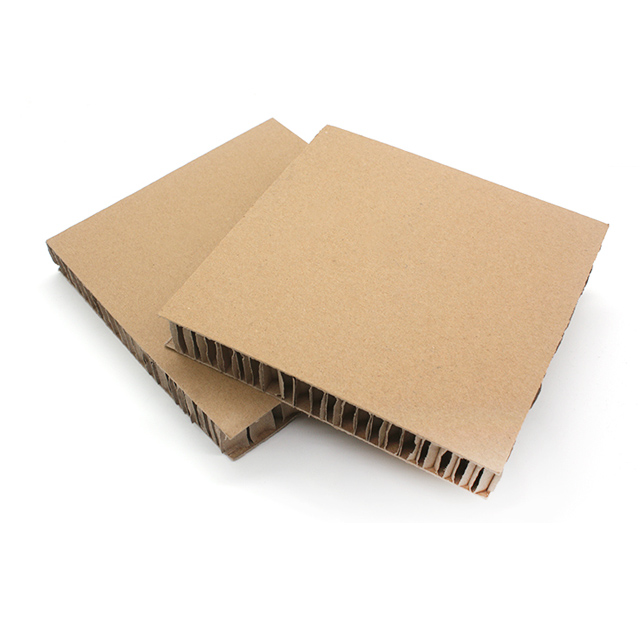
State core paper GSM, liner grades, cell size, core height, finished panel thickness, and whether liners are kraft, white-top, printed, or coated. Dense recycled liners and highly absorbent papers consume adhesive differently. Share cross-section drawings rather than only finished-panel photographs.
Set measurable adhesive parameters
Require viscosity at a stated temperature and test method, solids content, pH where relevant, density if dosing relies on volume, and usable open-time/set behavior. Ask for an application window rather than a single nominal value so receiving QC can detect out-of-range material.
Balance moisture and flatness
High water addition can improve wet-out but may curl liners, slow drying, and reduce panel flatness. Panels for furniture faces or appliance pads need a defined flatness inspection after conditioning. Record plant humidity and board moisture during successful trials.
Validate panel performance
Check core-to-liner delamination, dry bond, compression response, edge crush where applicable, and flatness after 24 hours and after humidity exposure. Test with the intended liner and cell height. A small coupon bond test misses panel bowing and localized dry spots.
Audit process controls
Ask how the producer meters adhesive, verifies viscosity per shift, manages temperature, cleans application rolls, and segregates batches. Confirm retained samples and lot traceability. A stable adhesive cannot compensate for worn rolls or uneven pressure.
RFQ fields
Core paper, liner grades, cell size, core height, panel thickness
Bonding stage and application method; line speed
Viscosity/solids targets and acceptable application window
Flatness, delamination, compression, and humidity test criteria
Monthly consumption; sample panel trial; storage and Incoterms
Related PackTrades Knowledge
Buyer Checklist
Related Products
Supplier SKUs on PackTrades that match this topic—open a product, then submit an RFQ.
Continue on PackTrades
Open the matching product categories, solutions, and RFQ path for this topic.