Buying Guide
Industrial Protective Packaging Overview
Overview of paper-based industrial protective packaging systems: honeycomb panels, edge boards, corrugated outers, load spreaders, and how buyers engineer packs for heavy and high-value goods.
Quick answer
Overview of paper-based industrial protective packaging systems: honeycomb panels, edge boards, corrugated outers, load spreaders, and how buyers engineer packs for heavy and high-value goods.
Industrial protection is a system, not a single SKU
Industrial protective packaging protects heavy or high-value goods through factory handling, warehouse stacking, and export shipping. Winning programs combine materials by duty: corrugated or crate outers for containment and puncture, honeycomb panels and blocks for compression planes, edge boards for strap and corner abuse, kraft wraps or interleaves for surface finish, and pallet/top-board design for unit load stability. Buying “stronger foam” or “thicker carton” in isolation rarely fixes forklift, strap, or container crush problems.
Core paper-based material categories
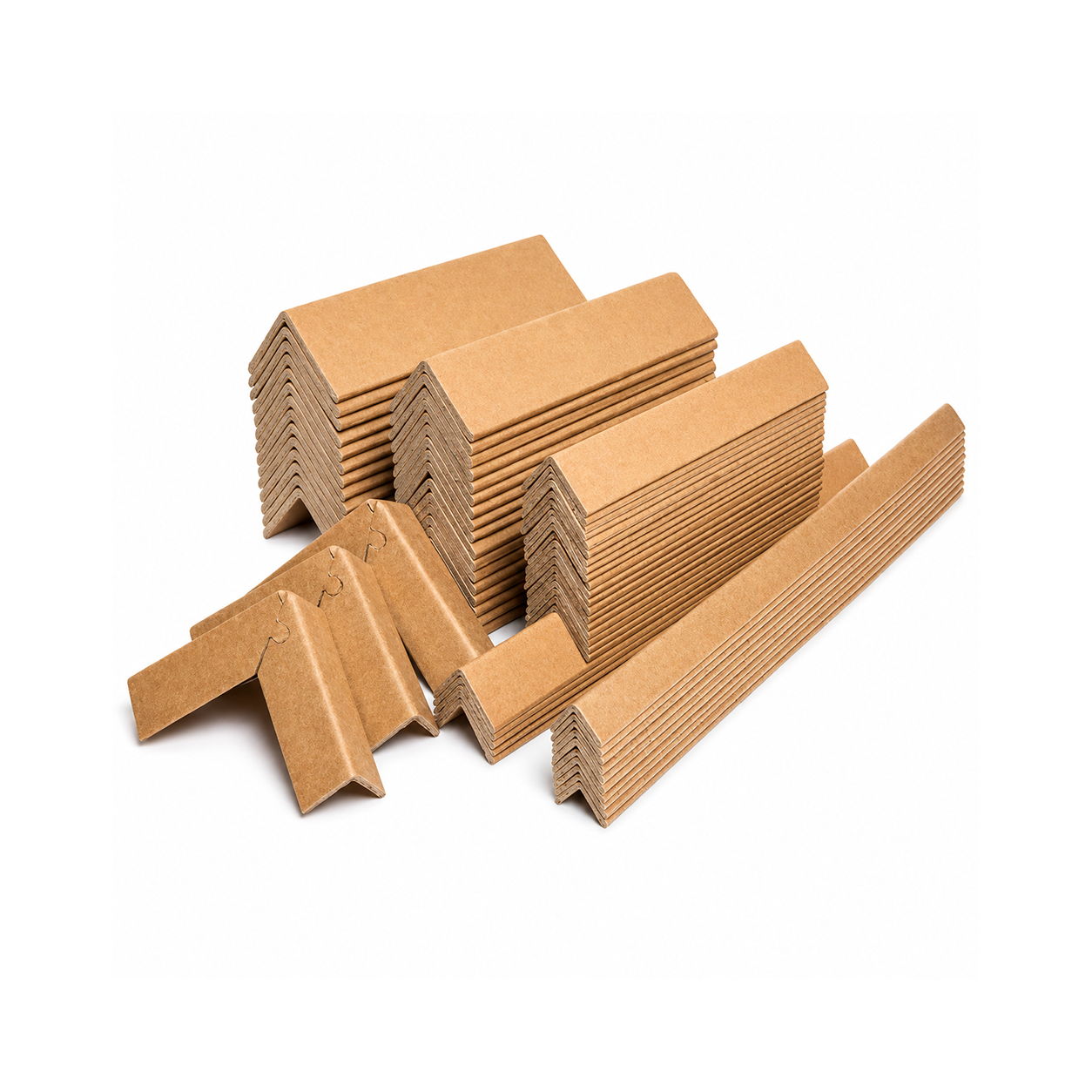
Honeycomb paper: panels, blocks, pallet top boards, door protectors, engineered spacers. Edge boards: L/U profiles for corners and edges under strapping. Corrugated board: single-, double-, or triple-wall shippers and sleeves. Kraft paper and pads: interleaving, wrap, and abrasion control. Slip sheets, paper pallets, and dunnage accessories appear in wood-free logistics programs. Map each SKU’s BOM before you negotiate unit prices.
Define the load case first
Product weight and center of gravity; contact areas that dent or scratch; max stack in warehouse and container; strap type and tension; forklift and clamp handling; vibration and drop history; humidity and voyage time; whether wood is banned or costly (ISPM, customer rules). Write this as a one-page duty sheet attached to every RFQ.
Design sequence that keeps cost under control
1) Stabilize the unit load (pallet, footprint, COG). 2) Protect corners and strap paths (edge boards). 3) Add compression/surface planes (honeycomb or corrugated pads). 4) Select outer containment (carton, sleeve, or frame). 5) Validate with trials. Upgrading the outer board before fixing strap corners is a common waste of money.
Typical industries and pack patterns
Machinery and auto parts: blocking/bracing, honeycomb spacers, heavy edge boards. Furniture and flat-pack: honeycomb pads, corrugated sleeves, edge protection on panels. Appliances and HVAC: corner boards, top pads, double-wall outers. Metal, glass, and stone: U-profiles, heavy L-boards, load spreaders. Same catalog materials—different thickness and leg-width choices.
Testing beyond consumer drop tests
Industrial packs often need compression tests, tilt/tip assessments, strap simulations, forklift handling trials, and sometimes vibration profiles. Agree pass/fail criteria before tooling artwork or freezing annual contracts. Retain photos and sample retainers from pilot shipments.
Humidity and export realities
Ocean freight softens paper structures and stresses adhesive bonds in honeycomb and edge boards. Raise margins on compression specs, improve pallet patterns, or specify moisture-aware constructions for wet lanes. Undocumented “waterproof paper” claims are not a substitute for defined coatings/films or proven trial results.
Sourcing models from China
Option A: buy components (honeycomb, edge board, cartons) from specialists and assemble the pack design yourself. Option B: use an integrated protective-packaging supplier that engineers the BOM. Integration reduces mismatch between thicknesses and cut sizes; specialists may win on unit price for high-volume single components. Choose based on your in-house packaging engineering capacity.
Cost model buyers should use
Material + labor to assemble + freight weight/cube + expected damage rate + disposal/recycling fees at destination. A slightly higher paper system that cuts 1–2% damage on high-value goods usually beats the cheapest foam/wood mix. Track claims by failure mode so you upgrade the right layer next season.
Buyer checklist before program rollout
Duty sheet per SKU family; BOM with cell size/thickness/leg width/ECT as applicable; sample and pilot plan; inspection checklist; packing work instructions for factories/3PLs; claim thresholds; whether wood-free or recyclability claims need documents.
Common failure patterns
Strong carton, no edge boards, straps cut corners; thick honeycomb, weak pallet top pattern; mixed suppliers changing cell size without notice; pack designed in dry season, shipped in monsoon; industrial weight on e-commerce-grade single-wall.
Related PackTrades Knowledge
Buyer Checklist
Related Products
Supplier SKUs on PackTrades that match this topic—open a product, then submit an RFQ.

Continue on PackTrades
Open the matching product categories, solutions, and RFQ path for this topic.