Comparison
Honeycomb Paper vs Foam Packaging
Compare honeycomb paper and foam packaging on compression, shock, weight, recyclability, cost, and export fit—with a practical switchover test plan for buyers.
Quick answer
Compare honeycomb paper and foam packaging on compression, shock, weight, recyclability, cost, and export fit—with a practical switchover test plan for buyers.
Different physics, different failure modes
Honeycomb paper and foam are both called “protective packaging,” but they absorb energy differently. Honeycomb resists compression through vertical cell walls—excellent for panels, top boards, and stand-off under stack load. Foam (EPS, EPE, EVA, PU, and blends) absorbs shock through material deformation—often better for small drops, point impacts, and snug cavity retention. Choosing by sustainability slogans alone is how programs either raise damage rates or keep paying for foam they no longer need.
Structure and performance
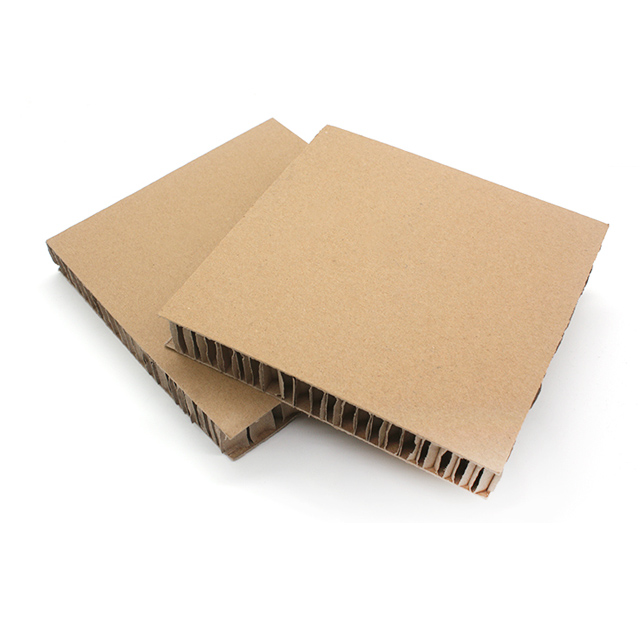
Honeycomb spreads load across a wide cell field and keeps thickness relatively stable until cells buckle. Foam compresses locally and can rebound depending on chemistry and density. For flat appliance sides, furniture tops, and pallet load spreading, honeycomb or honeycomb + corrugated hybrids frequently outperform loose foam sheets. For fragile electronics with strict drop curves and complex cavities, molded or die-cut foam may still win.
Weight and shipping cost
Engineered honeycomb panels are often lighter than equivalent rigid foam boards at similar compression ratings, and far lighter than plywood substitutes. Lower pack weight can reduce ocean or air freight on high-volume export programs. Always compare the full pack (outer carton + straps + pallets), not the cushion SKU in isolation.
Recyclability and market access
Paper honeycomb with paper facings and compatible adhesives usually enters paper recycling streams more easily than EPS or mixed foams. Some markets restrict EPS or charge higher disposal fees. Foam recyclability varies widely by resin and local infrastructure—do not accept vague “eco foam” claims without resin ID and destination-market reality. If brand questionnaires demand mono-material paper packs, honeycomb is structurally aligned; still verify adhesive and any coatings.
Cost considerations that matter
Foam can be cheaper for simple void fill, corner chips, and small custom inserts at low volumes. Honeycomb becomes competitive for large panels, pallet top boards, edge-related protection systems, and programs replacing wood + foam combinations. Tooling differs: foam may need molds; honeycomb often needs cutting fixtures and thickness control. Model total cost including damage claims, disposal fees, and labor to assemble the pack.
Humidity, creep, and export lanes
Both materials can change under heat and humidity. Honeycomb softens if paper moisture rises and bonds are weak; foam can creep under long static load. For sea freight, trial packs should include humidity exposure and long static stack—not only a one-meter drop in a dry lab. Edge boards and strapping design often decide corner survival more than the foam-vs-honeycomb debate alone.
When to choose honeycomb
Export programs prioritizing recyclable paper packaging; furniture, doors, and large-panel goods; pallet top boards and load spreaders; industrial equipment packing that needs stiff spacers; wood-free crates where panels replace plywood. Pair with corrugated outers and edge boards when straps and puncture are part of the load case.
When to keep or choose foam
High shock-sensitive electronics with documented drop profiles; complex multi-cavity inserts needing tight retention; very small parts where honeycomb cutting is inefficient; vibration-heavy routes where viscoelastic foam has proven lower failure rates. If you keep foam, still specify density, resin type, and recycling/disposal path explicitly.
Hybrid designs (often the real answer)
Many winning export packs use honeycomb panels for compression planes and small foam or molded pulp pieces only at critical contact points. Or corrugated + honeycomb with kraft interleaf and no foam. Design to the failure mode map—not to a single material ideology.
Switchover test plan
1) Document current damage modes and pack BOM cost. 2) Build honeycomb candidates at two thicknesses/cell sizes. 3) Run parallel compression, drop, and strap tests against the incumbent foam pack. 4) Pilot one container or regional lane. 5) Freeze specs only after damage rate and assembly time are acceptable.
Buyer mistakes
Replacing all foam with the cheapest honeycomb sheet; ignoring cell size; approving a dry-lab sample then shipping through monsoon humidity; forgetting that foam cavities also locate the product—honeycomb pads may need redesign of blocking and bracing.
Related reading
Honeycomb Paper Buying Guide, Honeycomb Paper vs Corrugated Board, Industrial Protective Packaging Overview, Edge Board Buying Guide. Review protective-packaging options on PackTrades when comparing paper-based alternatives to foam programs.
Buyer Checklist
Related Products
Supplier SKUs on PackTrades that match this topic—open a product, then submit an RFQ.
Continue on PackTrades
Open the matching product categories, solutions, and RFQ path for this topic.