Comparison
Honeycomb Paper vs Corrugated Board
Paper honeycomb vs corrugated board: structure, compression, converting, cost, and when each wins. A practical buyer comparison for protective packs and shipping systems.
Quick answer
Paper honeycomb vs corrugated board: structure, compression, converting, cost, and when each wins. A practical buyer comparison for protective packs and shipping systems.
They are both paper structures—with different jobs
Honeycomb paper and corrugated board are often compared as if one should replace the other. In practice they solve different packaging problems. Honeycomb excels as a lightweight compression panel, spacer, pallet top board, or engineered cushion block. Corrugated board is the workhorse for cartons, mailers, and standardized shipping boxes. Buyers who force honeycomb into a die-cut RSC role—or corrugated into a thick load-spreader role—usually overpay or under-protect.
Structure difference that drives performance
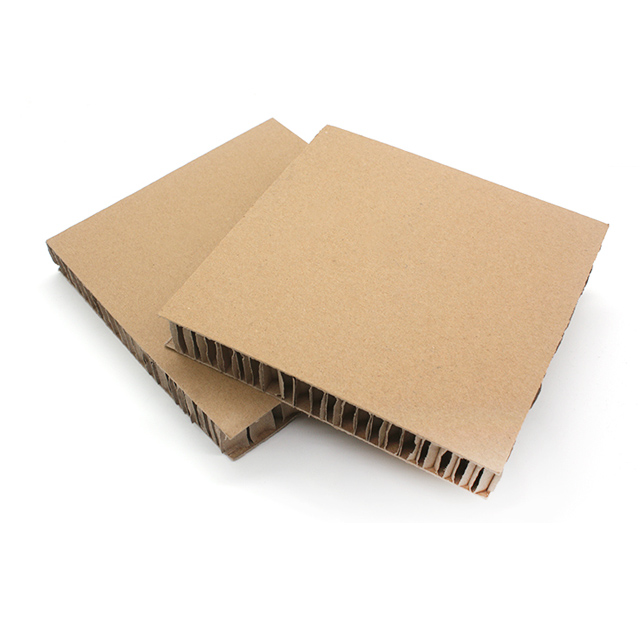
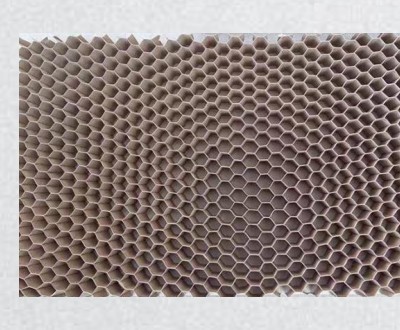
Honeycomb uses a hexagonal cell core bonded between facing sheets. Load spreads across many vertical cell walls, which is why panels deliver high compression strength at low areal weight. Corrugated board uses fluted medium between liners (single-, double-, or triple-wall). Flute geometry governs stacking potential, cushioning, and print surface. Strength language differs: honeycomb programs talk cell size, core thickness, and panel compression; corrugated programs talk flute letters, wall type, and ECT/FCT.
Where honeycomb paper wins
Furniture and appliance surface protection; pallet top boards and load spreaders; void-fill blocks replacing wood or thick foam; door/panel separators; industrial machinery packing frames; wood-free export programs that need stiff panels without timber. Honeycomb shines when you need flat compressive resistance over a large area, not a foldable shipper blank.
Where corrugated board wins
E-commerce and retail cartons, food and consumer goods shippers, high-volume RSC/die-cut converting, printed outer packs, and any format that must run on standard folder-gluers and flexo lines. The global corrugating supply chain is deeper, tooling is cheaper per SKU at scale, and buyers can specify ECT with mature lab methods.
Strength, weight, and freight
At equal panel thickness, well-made honeycomb often beats solid foam or low-density wood boards on compression-to-weight. Corrugated cartons win when the structure must fold, score, and stack as a box. Freight impact matters: honeycomb panels can cut pack weight versus plywood or dense foam, while over-spec corrugated double-wall can add unnecessary grams on every shipment. Model landed cost including damage risk, not only material price per m².
Converting and supply-chain maturity
Corrugated converting (print, die-cut, fold-glue) is highly automated worldwide. Honeycomb converting is more panel- and cut-to-size oriented—CNC, saw, or die-cut of boards and blocks—plus facing selection and bonding quality. Lead times and MOQs for custom honeycomb thicknesses can be higher than for commodity flute sheets. Plan samples and tooling earlier when honeycomb is new to your BOM.
Cost model without the marketing slogans
Corrugated is usually cheapest for standard boxes because mills and converters compete on every flute. Honeycomb becomes competitive when it replaces foam + wood combinations, reduces claims on edges/surfaces, or eliminates ISPM-related wood issues. Do not compare “honeycomb sheet vs B-flute sheet” on price alone—compare pack systems that deliver the same damage rate.
Hybrid packs (common and correct)
Export furniture and appliances often use corrugated outer cartons or sleeves plus honeycomb pads, corner blocks, and top boards. Edge boards may sit outside the carton under strapping. Specify each layer’s duty: outer for puncture and stack as a shipper, honeycomb for flat compression and surface stand-off, kraft wrap for scratch control.
Selection rule for buyers
1) Define failure mode (crush of carton walls vs surface dent vs strap cut vs pallet top puncture). 2) If you need a box, start with corrugated + ECT. 3) If you need a stiff lightweight panel or spacer, shortlist honeycomb cell size and thickness. 4) Validate with filled compression and handling trials before freezing annual volume.
RFQ fields that keep quotes comparable
For honeycomb: cell size, core thickness, facing grade, panel dimensions, compression target and test method, adhesive type, moisture expectations, cut tolerance. For corrugated: flute/wall, ECT method, style/dieline, print, quantity. Never accept “similar board” substitutions without re-approval.
Related reading
Honeycomb Paper Buying Guide, Honeycomb Paper vs Foam Packaging, How to Choose Corrugated Board, Edge Board Buying Guide, Industrial Protective Packaging Overview. Compare material and protective-packaging suppliers on PackTrades when shortlisting China sources.
Buyer Checklist
Related Products
Supplier SKUs on PackTrades that match this topic—open a product, then submit an RFQ.
Continue on PackTrades
Open the matching product categories, solutions, and RFQ path for this topic.