Buying Guide
Honeycomb Paperboard Packaging Market Overview for Buyers
Market overview for buyers of honeycomb paperboard packaging: product forms, supplier capabilities, cost drivers, quality controls, recycling limits, and sourcing strategy.
Quick answer
Buy honeycomb paperboard as an engineered protective material, not a generic eco substitute for foam or corrugated board. Compare core geometry, liner construction, finished-panel performance, conversion capability, and freight density across suppliers before selecting a source.
Know the product forms
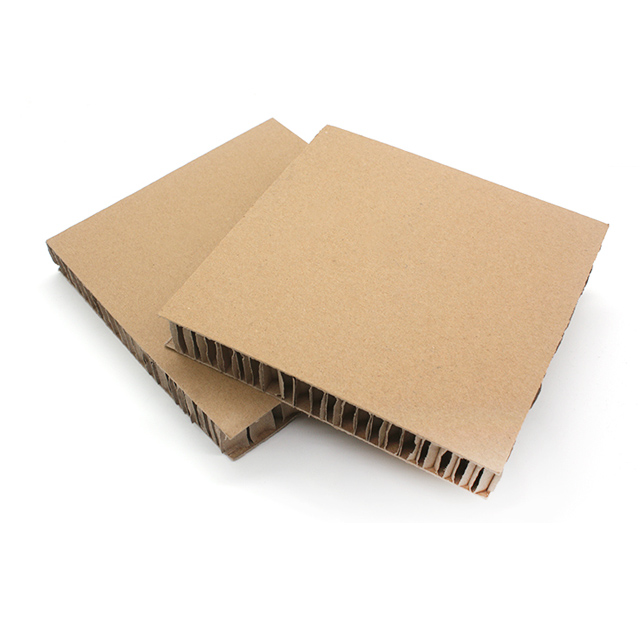
The market includes expanded honeycomb paper, core blocks, laminated panels, edge protectors, pallets, void-fill wraps, and die-cut cushions. A core producer may not laminate panels or convert shaped inserts in-house. Match the supplier's actual process scope to the part you need.
Map the demand drivers
Furniture, appliances, doors, electronics, displays, and export loads use honeycomb where low weight and paper-based construction matter. Adoption is strongest when a panel replaces a simple foam or wood element without forcing a complex redesign. Products requiring very high point-load resistance may need hybrid protection.
Compare supply capabilities
Ask whether the plant makes core paper, converts purchased core, laminates liners, die cuts, prints, and packs export loads. Vertical integration can help lead time, but only if incoming paper and adhesive control are reliable. Visit or audit the stage that creates the critical performance feature.
Understand cost drivers
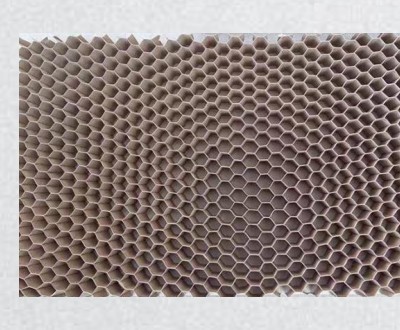
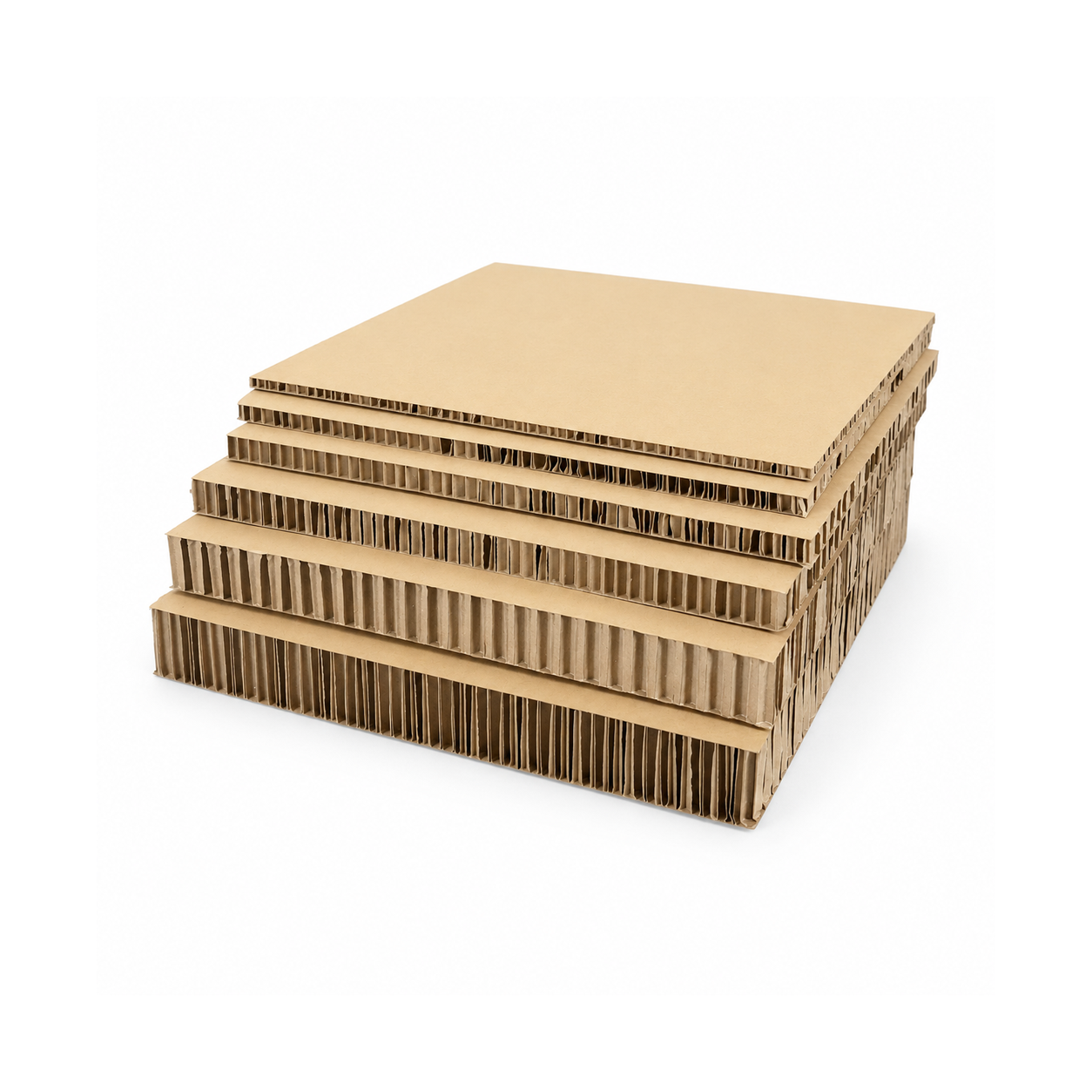
Core paper grade, cell size, core height, liner weight, adhesive consumption, panel thickness, die-cut complexity, and nesting efficiency drive cost. Honeycomb is light but bulky; outbound freight can dominate delivered cost. Request a nested or flat-pack loading plan with every quote.
Set quality controls
Control panel thickness, flatness, core-to-liner bond, moisture, compression behavior, and cut accuracy. For protective applications, validate the assembled pack with actual product. For furniture panels, face flatness and edge quality can matter more than headline compression figures.
Handle recycling claims precisely
Paper-based honeycomb may be recyclable where local paper streams accept the construction, but coatings, films, tapes, and wet-strength additives can change that outcome. Ask for material declarations rather than using a universal recyclability statement.
RFQ fields
Product form, drawings, core cell size/height, liners, and thickness
Product/load data and compression, drop, flatness, or fit targets
Die-cut, print, coating, and recycling-claim constraints
Packing density, container-load plan, and destination climate
Sample stages, annual volume, supplier process scope, and Incoterms
Related PackTrades Knowledge
Buyer Checklist
Related Products
Supplier SKUs on PackTrades that match this topic—open a product, then submit an RFQ.
Continue on PackTrades
Open the matching product categories, solutions, and RFQ path for this topic.