Industry News
Mid-2026 Corrugating Plants Lock Glue Viscosity Method Before Peak Humidity
Carton plants sourcing corrugating starch adhesives on PackTrades are requiring viscosity method, gel-temperature basis, and humid-season trial records before releasing peak-season glue orders.
Mid-2026 adhesive RFQs on PackTrades show a sharper demand from corrugating plants: state the viscosity method and gel-temperature basis in writing before peak humidity orders are released.
Plant managers say many delamination and warp disputes start when a quoted viscosity number was measured under a different spindle, temperature, or solids assumption than the kitchen uses on the night shift.
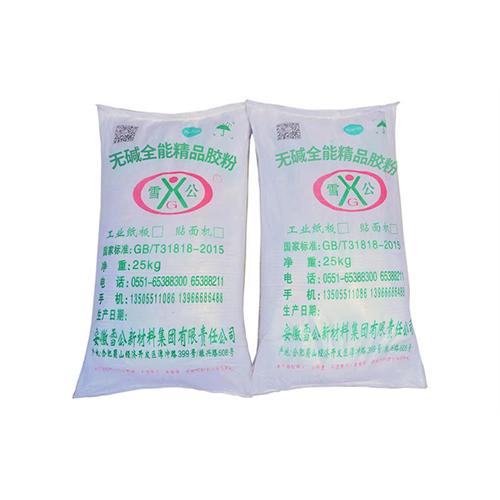
Xuegong-class adhesive suppliers and peers report that buyers now attach board-mix notes and humid-season trial protocols to starch RFQs, instead of approving a TDS brochure alone.
The same documentation push is spreading into carton-sealing adhesive trials, where open-time windows must match folder-gluer speed before soft-touch or coated seams are approved.
Suppliers note that early method locks reduce emergency reformulations during monsoon weeks, when liner moisture and kitchen temperature drift together.
Why buyers care: a glue lot can look on-spec in a supplier lab and still open seams or weaken pins when the plant cannot reproduce the measurement conditions.
Buyer takeaways
Put viscosity method, measurement temperature, and gel-temperature basis on every corrugating adhesive RFQ and PO.
Require a humid-season line trial with retained board samples before peak-volume releases.
Ban silent starch or additive substitutions without a re-approved trial record.
Buyer Checklist
Related Buyer Guides
Practical Knowledge articles for specs, comparisons, and RFQ checklists on this topic.
Folding Carton and Carton Sealing Adhesives Buyer Guide
Buyer guide to folding-carton and carton-sealing adhesives: substrate fit, application method, open time, bond testing, and RFQ fields for comparable supplier quotes.
Complete Guide to Packaging Adhesives
Packaging adhesives buyer's guide: match adhesive for packaging to your corrugating, laminating, honeycomb, or paper-tube lines. Specs, trials, and RFQ fields for China sourcing.
How to Read Corrugated Board Spec Sheets from China
How buyers read Chinese corrugated-board spec sheets: flute, liner and medium grades, GSM, ECT/FCT, caliper, moisture, test conditions, and quote comparisons.
Medium Paper Quality Issues Buyers Should Catch Early
Buyer guide to corrugating-medium quality risks: moisture, GSM variation, ring crush, splices, reel defects, and early checks that prevent corrugator and carton failures.
Related Products
Supplier SKUs on PackTrades that match this topic—open a product, then submit an RFQ.
Continue on PackTrades
Open the matching product categories, solutions, and RFQ path for this topic.