FAQ
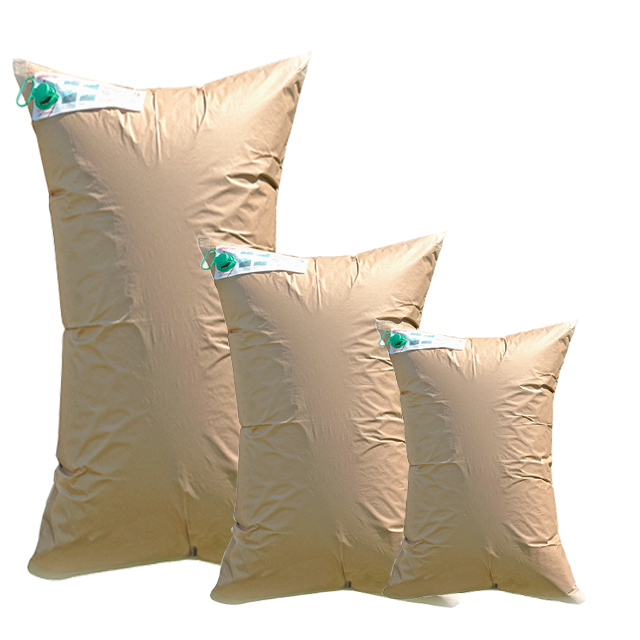
What Fill Pressure Do Dunnage Air Bags Need?
Short-answer FAQ on dunnage air bag fill pressure for export containers: why pressure targets vary, how to check firmness, overfill risks, and what to put in the RFQ.
Quick answer
There is no single fill pressure for every dunnage air bag. The right pressure depends on bag construction, void size, cargo crush strength, and lane conditions. Buyers should set a target method and a no-crush limit, then validate on the real load.
Why pressure varies
A light carton wall next to a narrow void needs a lower, more controlled fill than a timber-braced industrial load. Bag ply and valve design also change how pressure holds over time.
How buyers should specify it
Ask suppliers for a recommended pressure or firmness check for your bag size, plus a maximum that avoids crushing adjacent cartons. Require a dwell check for leaks before container closing.
What happens if you overfill
Overfilled bags can bow cartons, burst, or create point loads that damage print and product. Underfilled bags allow load shift that later looks like “bad strapping.”
What to validate
Inflate sample bags in the actual void with the real contact surfaces. Photograph placement and confirm the load still meets strap and wrap rules.
RFQ
Bag size/ply; void dimensions; cargo crush limits
Target pressure or firmness method; dwell check
Contact protection; pack-out photos
Trial quantity; lane climate notes
Related PackTrades Knowledge
Buyer Checklist
Related Products
Supplier SKUs on PackTrades that match this topic—open a product, then submit an RFQ.
Continue on PackTrades
Open the matching product categories, solutions, and RFQ path for this topic.