Technical Articles
Combining Edge Boards, Slip Sheets, and Dunnage Air Bags
Buyer guide to combining edge boards, slip sheets, and dunnage air bags for export loads: roles, compatibility, container blocking, validation, and RFQ specifications.
Quick answer
Use edge boards to protect and distribute strap or wrap loads, slip sheets to support or separate unit loads, and dunnage air bags to control container voids. They solve different failure modes; combining them without a load drawing can create handling conflicts rather than cargo security.
Assign each component a job
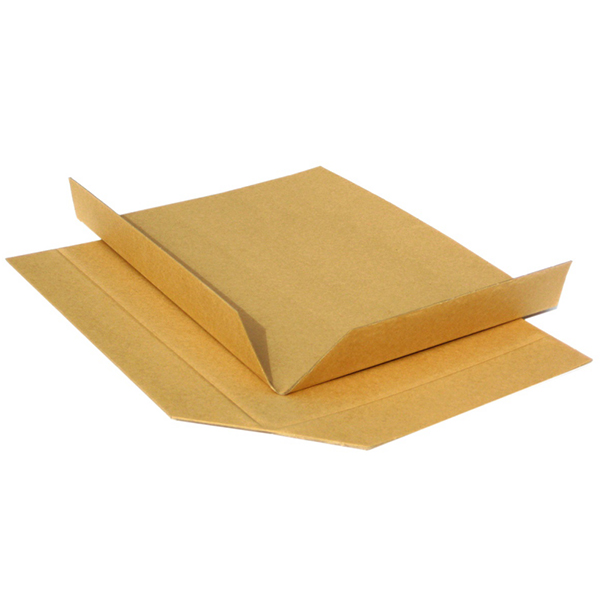
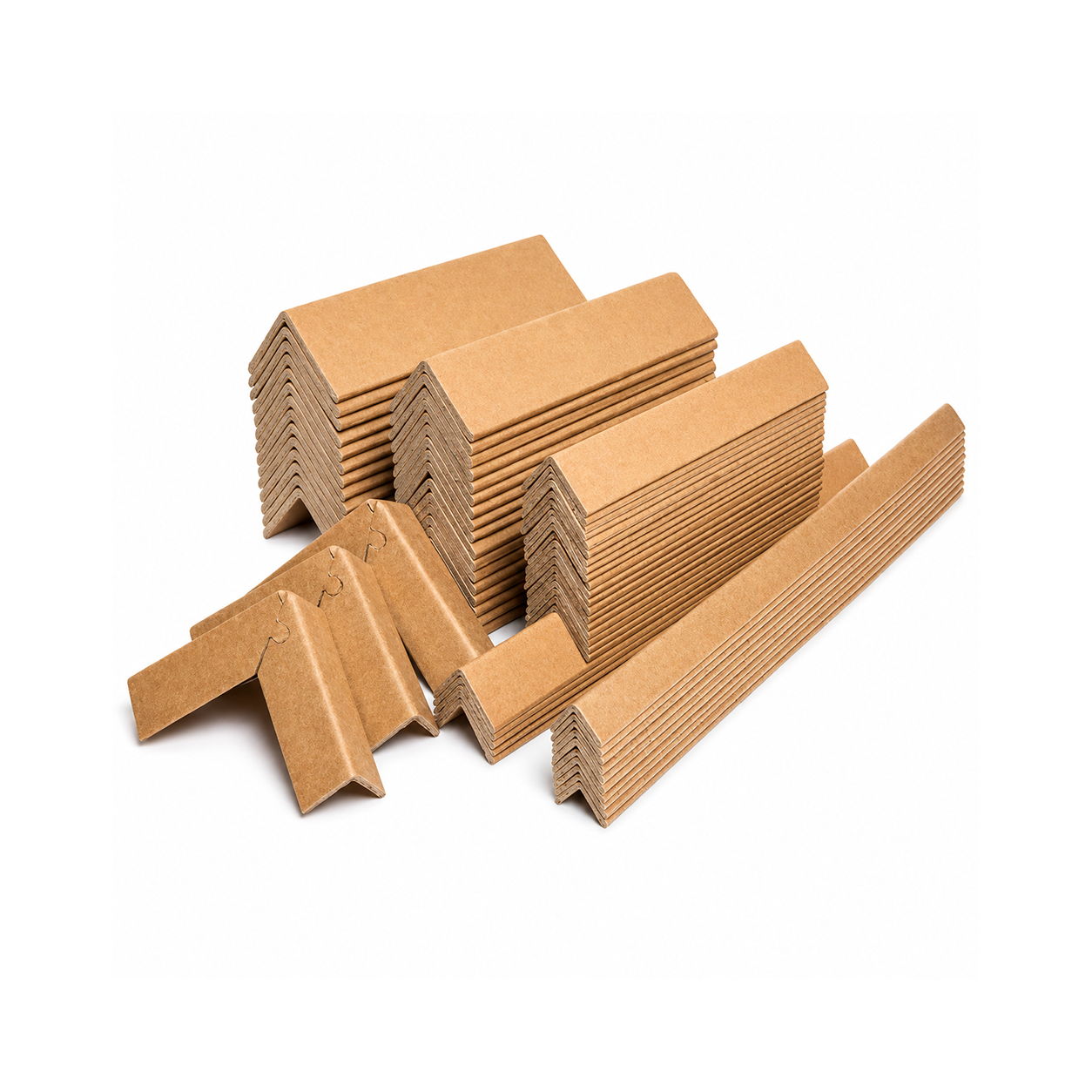
Edge boards prevent strap damage and stabilize carton corners. Slip sheets replace pallets or create layers when handling equipment supports them. Dunnage air bags restrain lateral movement between finished unit loads in a container. An air bag is not a substitute for a stable palletized load, and edge boards do not block a container void.
Start with the load plan
Draw carton pattern, unit-load dimensions, center of gravity, strap directions, slip-sheet tab location, and container voids. Confirm that edge-board height matches the stack and that tabs remain accessible after wrap. Position dunnage bags against suitable load faces with approved restraint materials where needed.
Match material ratings
Specify edge-board leg size, wall thickness, burst/compression expectation, and moisture resistance. Specify slip-sheet grade, caliper, and tab geometry for the unit-load weight. Specify dunnage bag level, size, inflation tool, and void range; overfilling a bag can damage cartons.
Account for warehouse handling
Push-pull operations need clear tabs and trained operators. Forklift punctures and sharp pallet edges can damage bags. Confirm whether loads will be reworked at destination; a container-only securement plan is insufficient if a warehouse changes the unit configuration.
Validation and release
Pilot the complete pack with vibration, compression, and container-loading checks. Inspect after a representative transit or simulated movement. Freeze a photographic packing standard showing component locations, strap counts, and bag inflation procedure.
RFQ fields
Carton/load drawing, gross weight, and stack height
Edge-board profile, length, and moisture requirement
Slip-sheet material, caliper, size, and tab design
Container void dimensions; dunnage bag level and pump
Route, sample trial, packing instruction, Incoterms
Related PackTrades Knowledge
Buyer Checklist
Related Products
Supplier SKUs on PackTrades that match this topic—open a product, then submit an RFQ.

Continue on PackTrades
Open the matching product categories, solutions, and RFQ path for this topic.