Technical Articles
How to Build a Wood-Free Export Pack Spec
How to create a wood-free export packaging specification: pallet alternatives, load containment, moisture protection, handling equipment, validation, and RFQ fields for international shipments.
Quick answer
A wood-free export pack works only when the unit load, handling equipment, moisture exposure, and destination receiving process are designed together. Replace wood pallets with slip sheets, paper pallets, plastic pallets, or skids only after confirming every warehouse can handle the chosen system.
Define the shipment envelope
List product weight, carton footprint, stack height, container versus air freight, warehouse equipment, transshipment points, and destination humidity. Identify whether wood avoidance is for phytosanitary simplification, sustainability policy, contamination control, or freight cube; each goal can justify a different solution.
Select the load base
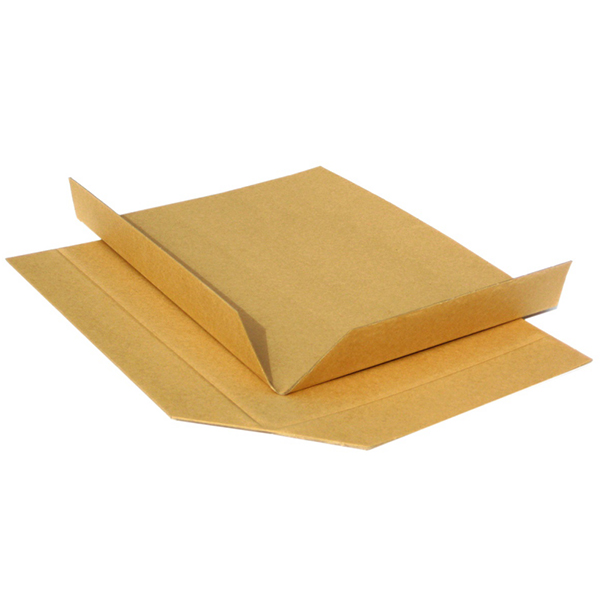
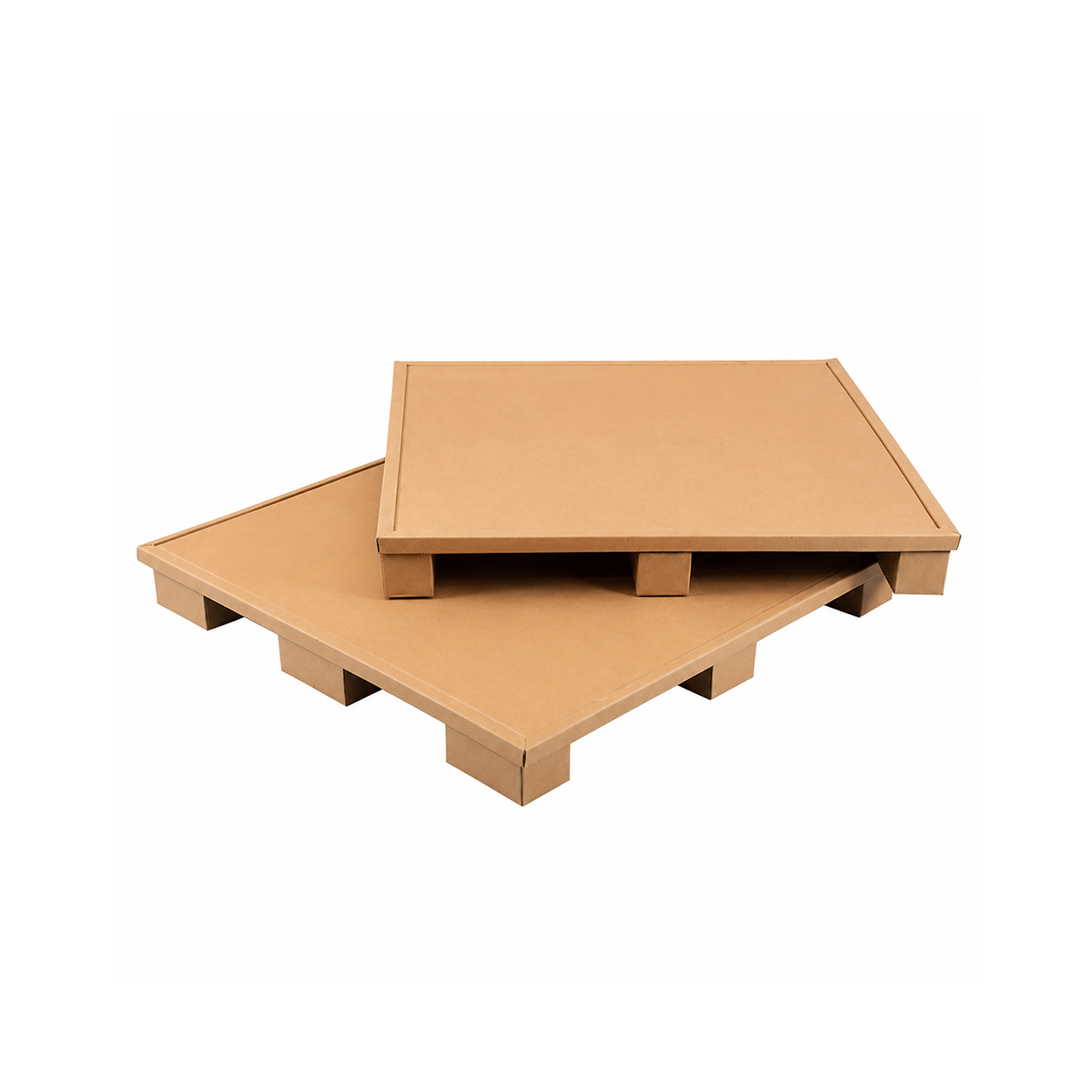
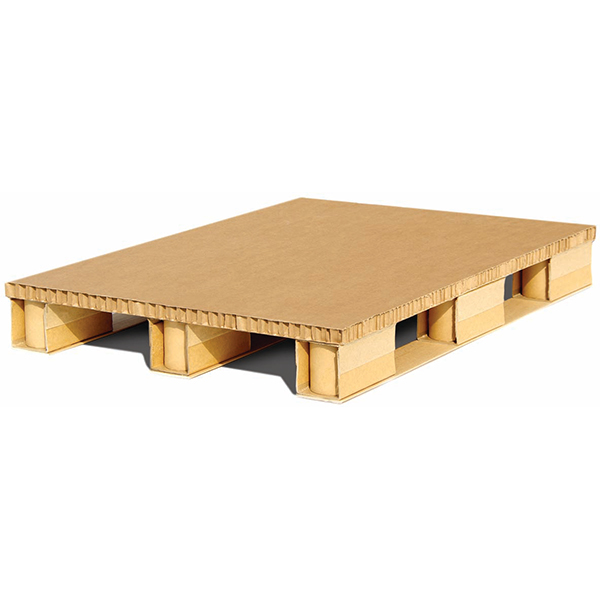
Slip sheets save height and avoid wood but normally need push-pull attachments. Paper pallets may work for lighter dry lanes but need compression and moisture validation. Plastic pallets are durable but add return or disposal decisions. Do not assume an ISPM 15 issue disappears if timber bracing remains inside the container.
Build containment and protection
Specify edge boards, stretch film, strapping, top caps, corner protection, and anti-slip layers around the chosen base. Include carton compression limits and load pattern. A wood-free base does not eliminate the need to block voids or restrain cargo in a container.
Plan for moisture and transit
Use liner bags, desiccants, barrier films, or coated materials where the route warrants them, then validate condensation behavior. Paper-based components can lose stiffness in humid conditions. Record storage limits at origin and destination.
Validate handling before rollout
Run a lane pilot through origin loading, port, receiving, and warehouse storage. Confirm forklift access, push-pull tabs, clamp limits, and re-palletization rules. Document photos and damage observations in the approved packing instruction.
RFQ fields
Product/load footprint, gross weight, and stack height
Export route, container type, humidity, and storage duration
Base type and receiving equipment compatibility
Edge protection, wrap, strap, and moisture controls
Test plan, packing drawing, annual volume, Incoterms
Related PackTrades Knowledge
Buyer Checklist
Related Products
Supplier SKUs on PackTrades that match this topic—open a product, then submit an RFQ.
Continue on PackTrades
Open the matching product categories, solutions, and RFQ path for this topic.