Buying Guide
How to Spec Dunnage Air Bags for Container Void Fill
Buyer guide to dunnage air bags for container void fill: bag size, fill pressure, level/void mapping, moisture, strap interaction, and RFQ fields for export load stabilization.
Quick answer
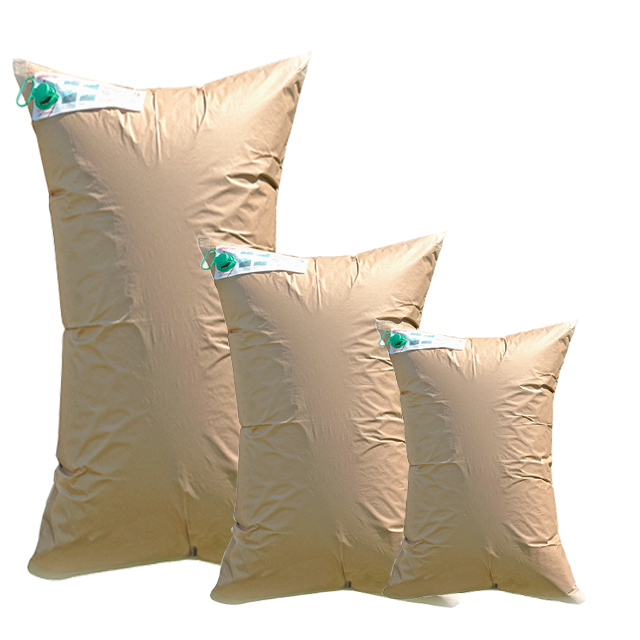
Specify dunnage air bags from the void map outward: void dimensions, bag size and ply, target fill pressure, contact surfaces, and whether bags work with straps, slip sheets, or edge board. A bag that “looks full” can still leave a load free to shift.
Map the voids first
Photograph or draw longitudinal and lateral voids, door-end gaps, and tier heights. State whether the load is palletized or floor-loaded and where bags must not press crushable cartons.
Choose bag size and construction
Match bag length/width to the void, and note ply or strength class for the intended pressure. Oversized bags that fold unevenly create point loads; undersized bags leave gaps that reopen in transit.
Set fill pressure and method
Define target pressure or firmness check, inflation tool, and who fills bags—plant, warehouse, or forwarder. Require a hold check after a short dwell so slow leaks are caught before sealing the container.
Protect contact faces
Identify carton print, soft packaging, or product faces that need boards, sleeves, or repositioned bags. Dunnage is a restraint aid, not a substitute for correct pallet pattern.
Validate the full system
Approve a packed container or mock lane with straps, wrap, edge protection, and bag placement photos. Freeze the pack-out sheet before mass shipments.
RFQ
Void map; bag sizes; ply/strength class
Fill pressure method; dwell/leak check
Contact-face protection; pallet or floor-load pattern
Sample bags; pack-out photos; monthly volume
Related PackTrades Knowledge
Buyer Checklist
Related Products
Supplier SKUs on PackTrades that match this topic—open a product, then submit an RFQ.
Continue on PackTrades
Open the matching product categories, solutions, and RFQ path for this topic.