Buying Guide
Stand-Up Pouches from China: Buying Guide
Buyer guide to sourcing stand-up pouches from China: laminate structures, zippers and spouts, barrier needs, print, MOQ, sampling gates, and RFQ fields for comparable quotes.
Quick answer
Source stand-up pouches from China by freezing laminate structure, barrier needs, zipper/spout hardware, and fill method before chasing unit price. Comparable quotes need structure drawings, quantity ladders, and seal-test criteria—not a photo of a competitor pouch.
Where stand-up pouches win
They combine shelf presence, lower ship weight than rigid jars, and flexible SKU graphics. Common uses: snacks, powders, sauces, pet food, supplements, and some personal-care refills. They fail programs when barrier or seal specs are guessed, or when retort/hot-fill claims are taken from brochures without trials.
Lock structure before artwork
Typical families include PET/PE, PET/AL/PE, PET/VMPET/PE, and paper-containing laminates. Define thickness per layer, whether aluminum or metallized barrier is required, and matte/gloss faces. Food, aroma, and oil resistance change structure choices. Silent substitutions of film grades are a top bulk risk—ban them in the PO.
Zippers, spouts, and tear features
Specify zipper type/brand class, spout size/thread, tear notch position, and whether laser score is needed. Hardware often drives MOQ and lead time more than ink. Ask which zipper/spout systems the factory runs routinely and how they IQC incoming parts.
Barrier and process claims
If you need oxygen/moisture barrier numbers, write targets and test methods. Retort, hot-fill, or cold-chain claims need process trials on your product—not generic samples. For food contact, request documentation matched to your market early.
Print and cylinder realities
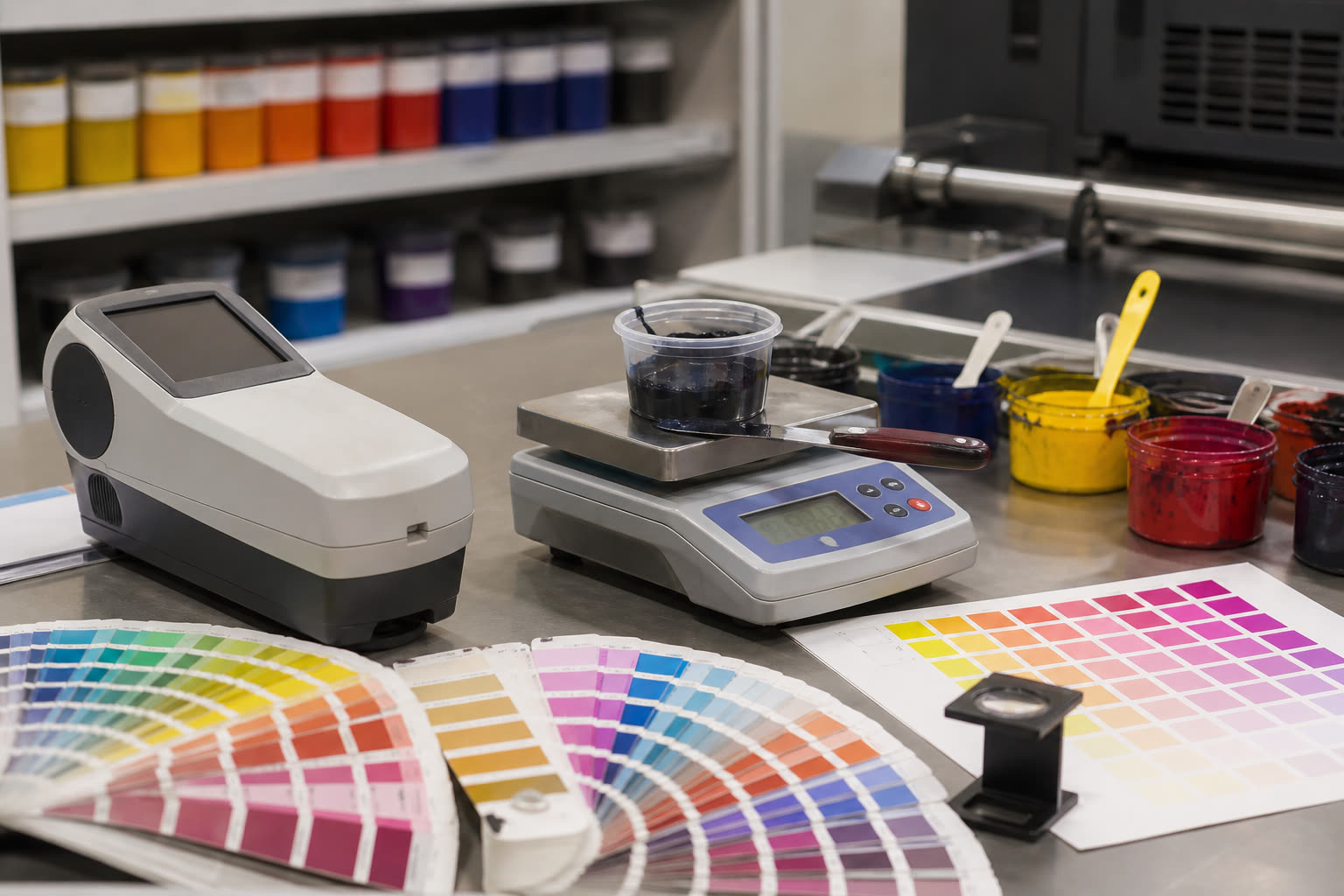
Gravure remains common for high-volume pouches; digital or flexo may suit shorter runs depending on the plant. Approve color on the real laminate. Cylinder/plate costs should be listed separately from unit price. Freeze artwork before quoting “final” lead time.
Sampling path
Structure/film sample → printed pouch sample → filled packing trial on your filler when possible. Approve seal curves, zipper feel, bottom gusset formation, and aroma transfer. Keep a retained approved pouch with the PO.
RFQ field list
Finished pouch size and fill volume
Layer structure and thickness class
Zipper/spout/tear requirements
Barrier/process targets; food-contact needs
Print process/colors; finish
Quantity ladder; sample policy; Incoterms
Related PackTrades Knowledge
Buyer Checklist
Related Products
Supplier SKUs on PackTrades that match this topic—open a product, then submit an RFQ.
Continue on PackTrades
Open the matching product categories, solutions, and RFQ path for this topic.