Buying Guide
How to Source Packaging Materials from China
An end-to-end buyer process for sourcing packaging materials from China: category mapping, RFQ design, supplier shortlists, samples, contracts, inspection, and first-order risk controls.
Quick answer
An end-to-end buyer process for sourcing packaging materials from China: category mapping, RFQ design, supplier shortlists, samples, contracts, inspection, and first-order risk controls.
Define the category before you search suppliers
China’s packaging supply base is specialized. Corrugated cartons, kraft paper bags, rigid gift boxes, grey board, paper tubes, foam inserts, and adhesives are rarely optimized in one plant. Write a one-page category brief: product type, materials, print/finishing, target markets, annual volume bands, and whether you need OEM structure, print-only converting, or commodity sheet/board. Searching “packaging factory China” without that brief produces mixed quotes that cannot be compared.
Build a specification pack that forces comparable quotes
Every RFQ should include dimensions or dieline, material construction, strength or board grade targets, print process and color rules, finishing (lamination, foil, UV, soft-touch), quantity ladder, destination and Incoterms preference, packing method, sample expectations, and inspection standard. If a field is optional, say so. If substitution is forbidden, say so in writing. Incomplete specs invite “equivalent” constructions that look fine in photos and fail in warehouse or retail.
Map the supply chain role you are buying
Clarify whether the counterparty is a mill, corrugator, converter, trading company with factories, or a packaging broker. Mills and corrugators control board/sheet consistency; converters own dielines, print, and assembly; traders may aggregate categories but add margin and communication layers. For critical SKUs, prefer factories that own the process step that creates your main risk—strength for shippers, print/finish for retail packs, die-cut accuracy for complex mailers.
Shortlist by capability evidence, not catalog volume
Ask for machine lists relevant to your SKU, export markets already served, typical MOQ and lead time, sample policy, and whether tooling/dies/plates are made in-house. Request factory videos or a live video tour of the lines that would run your order. Portfolio photos of unrelated luxury boxes do not prove kraft-bag or corrugated competence. Keep three to five shortlisted suppliers for the first RFQ round.
Use sampling to freeze the commercial and technical baseline
Separate structural approval from print/finish approval when the program is complex. Measure what you contracted: dimensions, board caliper/flute, bag GSM, box rigidity, color against a signed standard. Run filled drop/stack or in-store handling checks for shippers and retail packs. Sign a sample approval sheet with photos, material IDs, and revision rules. Ban verbal changes after approval; every change needs a new sample or written waiver.
Compare quotes on a normalized matrix
Unit price alone misleads. Compare construction, material grades, tooling/plate costs, MOQ, lead time, payment terms, defect allowance, packing, and whether ECT/certificates or material COAs are included. Normalize all options to the same construction and Incoterms before ranking. The cheapest quote that silently substitutes flute, board grade, or bag paper is not the cheapest landed cost after damage and rework.
Lock commercial terms that match production reality
Agree Incoterms, payment milestones tied to sample approval and pre-shipment inspection, ownership of dies/plates/artwork, revision pricing, lead-time clocks (from artwork freeze vs deposit), and force-majeure/shipping delay language that matches your season. For first programs, avoid large deposits before structural sample approval. Put container loading, pallet marks, and moisture protection in the PO, not in post-production chat.
Plan inspection and logistics before mass production
Define AQL or a checklist covering dimensions, print, material evidence, packing, and labels. Schedule inspection against vessel/air cutoff with enough buffer for rework. For humid lanes, specify wrap, desiccant, and palletization. Confirm HS codes and any recycled-content or food-contact documentation your market needs before goods leave the factory—not after customs asks.
Pilot the first bulk order, then scale
When brand risk or construction novelty is high, run a pilot quantity through your real warehouse and customer path. Track damage rate, print consistency, on-time delivery, and communication quality. Keep a golden sample and a short supplier scorecard. Only then commit annual volume or dual-source a second plant for the same frozen construction.
Common failure modes to design against
Buying from one “full-category” trader without knowing the actual plant; approving print on different board than bulk; freezing artwork after plate booking without revision budget; comparing FOB quotes with different packing assumptions; ignoring humidity and stacking for ocean freight; and treating the first PO as a catalog reorder instead of a controlled production launch.
Related PackTrades Knowledge
Buyer Checklist
Related Products
Supplier SKUs on PackTrades that match this topic—open a product, then submit an RFQ.
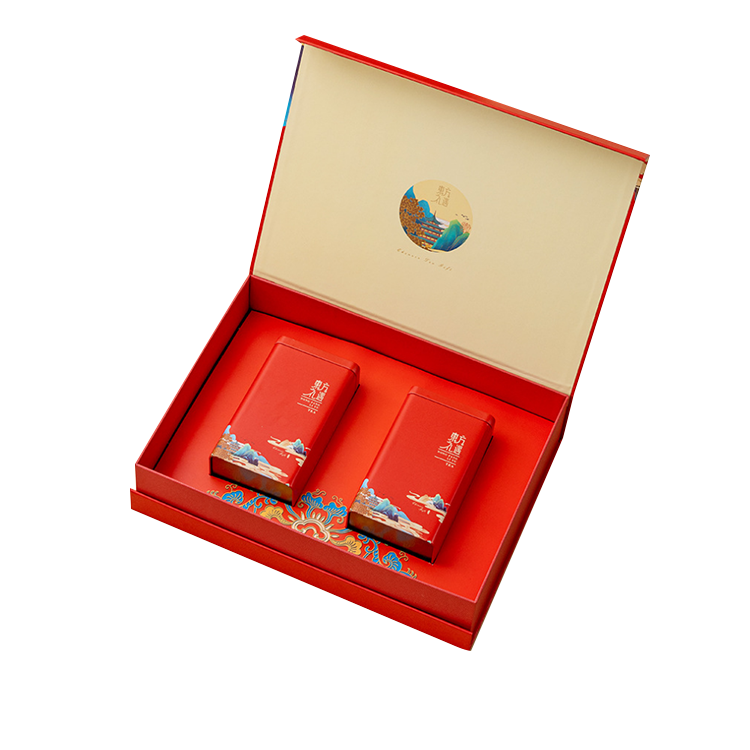
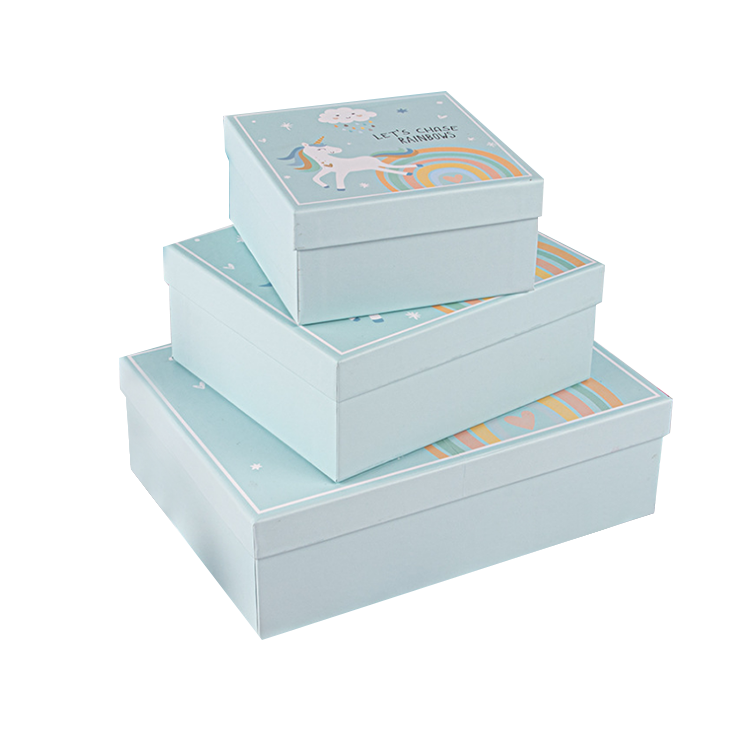
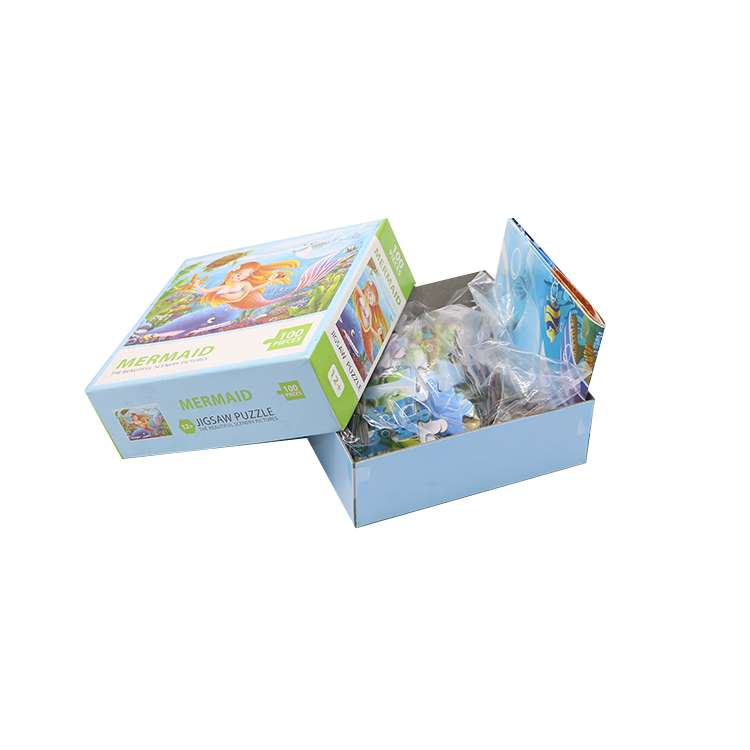
Continue on PackTrades
Open the matching product categories, solutions, and RFQ path for this topic.