Buying Guide
Slip Sheet Grade Checklist for Push-Pull Warehouse Lanes
Warehouse checklist for slip sheet grades on push-pull lanes: sheet strength, tabs, friction, moisture, load footprint, equipment fit, and RFQ fields for wood-free handling.
Quick answer
A usable slip sheet spec freezes grade/strength, tab design, friction needs, moisture expectations, and confirmation that both origin and destination have push-pull capability. Ordering “slip sheets” without lane equipment notes causes failed transfers.
Confirm equipment first
State push-pull attachment availability at shipping and receiving sites. If one end lacks equipment, redesign to paper pallets or mixed handling.
Lock sheet construction
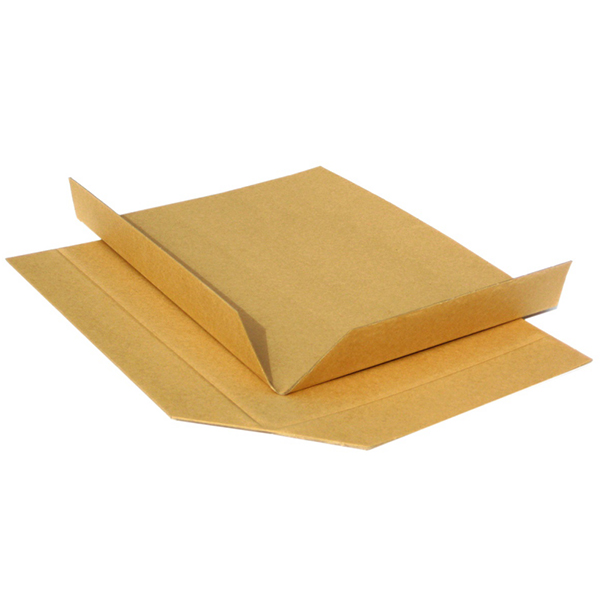
Specify material grade, thickness/strength class, size vs load footprint, and tab style. Undersized sheets tear; oversized sheets jam attachments.
Manage friction and moisture
Define anti-slip needs between product and sheet, and humidity exposure in containers or cold rooms. Wet sheets lose pull integrity.
Validate a trial load
Run pull tests with the real unit load and photograph attachment engagement. Freeze the pack-out before network rollout.
RFQ
Load footprint/weight; sheet size; grade
Tab design; friction/moisture notes
Equipment at both ends; trial plan
Monthly volume; Incoterms
Related PackTrades Knowledge
Buyer Checklist
Related Products
Supplier SKUs on PackTrades that match this topic—open a product, then submit an RFQ.
Continue on PackTrades
Open the matching product categories, solutions, and RFQ path for this topic.