Buying Guide
Poster Tubes and Industrial Paper Tube Buying Guide
Buyer guide to poster tubes and industrial paper tubes from China: winding construction, ID/OD, crush strength, end closures, moisture, printing, and RFQ fields.
Quick answer
Source poster tubes and industrial paper tubes by defining inside diameter, length, wall thickness or crush target, end closure, and handling conditions. The same-looking tube can be a light mailing tube, a heavy winding core, or a food-can body with very different construction.
Start with the application
Poster and document tubes prioritize clean internal surfaces, end-cap retention, and parcel-shipping crush resistance. Industrial tubes and cores prioritize concentricity, torque, compression, and compatibility with converting equipment. Tell suppliers which role applies; do not quote by outside diameter alone.
Dimensions and tolerances
Specify inside diameter, outside diameter or wall thickness, cut length, squareness, and permitted ovality. For winding cores, identify shaft or chuck interface, roll weight, web tension, and running speed. For posters, state rolled-product diameter and required clearance after end caps.
Board and winding construction
Kraft grade, ply count, winding angle, adhesive system, and moisture control affect strength. Spiral-wound and convolute constructions can suit different loads. Ask for measured compression or radial-crush data when the tube must survive stacked export or machine use.
Ends, printing, and protection
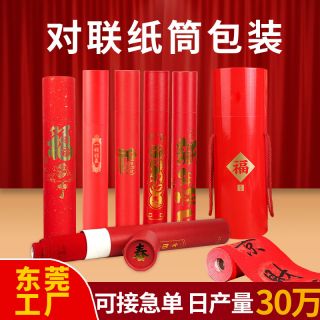
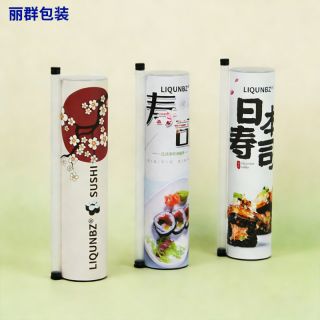
Choose plastic caps, metal ends, paper plugs, or closures matched to the handling lane. State cap pull retention and whether tamper tape or labels are required. Printed tubes need an agreed print method and scuff protection; bare kraft tubes may need moisture-resistant export packing.
Sampling and inspection
Approve samples using the actual product or roll setup. Check ID gauge, length, edge quality, cap fit, odor where relevant, and compression after conditioning. Set receiving checks around measurable tolerances rather than visual comparison to an old tube.
RFQ fields
Application, load/roll details, and handling environment
ID, OD/wall, length, tolerances, and squareness
Board grade, winding construction, strength targets
End caps/plugs, print, moisture and packing requirements
Quantity ladder; sample test; destination; Incoterms
Related PackTrades Knowledge
Buyer Checklist
Related Products
Supplier SKUs on PackTrades that match this topic—open a product, then submit an RFQ.

Continue on PackTrades
Open the matching product categories, solutions, and RFQ path for this topic.