Buying Guide
Paper Tubes and Canisters from China: Sourcing Guide
Sourcing guide for paper tubes, cans, and canister packaging from China: constructions, lids, barriers, print, tolerances, sampling, and RFQ controls for retail and industrial uses.
Quick answer
Sourcing guide for paper tubes, cans, and canister packaging from China: constructions, lids, barriers, print, tolerances, sampling, and RFQ controls for retail and industrial uses.
Product scope
Paper tubes and canisters include mailing tubes, poster tubes, retail paper cans (tea, powder, candles, apparel), and industrial cores. Constructions and quality gates differ sharply between a shipping tube and a branded canister with metal or paper lids. State the end use first so suppliers quote the right process.
Construction building blocks
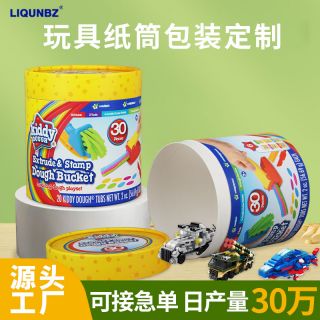
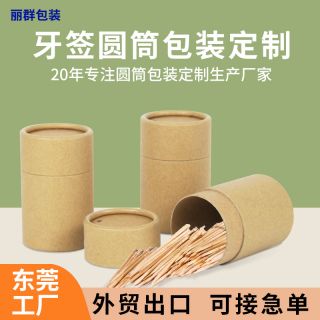
Spiral-wound or convolute tubes use kraft or recycled plies with adhesives; wall thickness and ply count drive crush strength. Retail canisters add labels or printed wraps, rims, and lids (paper, plastic, metal, wood). Inner liners or barrier layers matter for powders, greasy contents, or aroma-sensitive goods—raise barrier needs in the first RFQ, not after sampling decoration.
Dimensional and tolerance control
Specify inner diameter, wall thickness, cut length, and roundness/oval tolerance. Caps and automated filling lines fail when diameter drifts. Ask how the factory measures and at what frequency. For nested sets or tight lid fits, approve functional lid samples with production-intent tolerances.
Strength and use-case tests
Mailing tubes need crush and drop performance with contents. Retail canisters need lid retention, dent resistance in retail handling, and sometimes stacking. Industrial cores need beam strength for winding. Write the test that matches use; “strong tube” is not a specification.
Print, label, and finishing options
Direct print, glued labels, or full wraps each have different MOQ and registration behavior. Soft-touch, foil, and spot UV are common on premium canisters—test scuff and seam appearance. Spiral seams can telegraph through thin wraps; design graphics with seam placement in mind or choose constructions that hide seams.
Lids, closures, and consumer experience
Define lid type, opening force, reseal needs, and whether tamper evidence is required. Metal lids change cost, magnets for gift presentation, and recycling messaging. Paper lids support fiber-based claims but need careful fit. Document lid supplier ownership if lids are bought-out parts.
Food-contact and specialty compliance
If contents are food, cosmetics, or require low odor, specify relevant declarations and liner materials early. Not every tube plant can support food-contact documentation. Do not assume kraft appearance equals food suitability.
RFQ and quote comparison
Include dimensions/tolerances, wall construction, liner/barrier, lid type, print/finish, quantity ladder, packing (to prevent ovalization), sample policy, and destination. Compare crush/lid performance evidence, not only unit price. Ask whether diameters are stabilized before packing for export.
Sampling and bulk risks
Approve tube + lid as a system. Check ovality after simulated shipping when possible. Watch adhesive odor, label lift at seams, and color consistency around curves. First bulk defects often appear as lids that fit samples but not production diameter drift—or wraps that scuff in transit.
Packing for export
Tubes ovalize when strapped too hard or stacked poorly. Specify cartons, dividers, and pallet patterns. Humidity can soften walls and affect labels. Protective packing is part of the product specification for ocean freight.
Related PackTrades Knowledge
Buyer Checklist
Related Products
Supplier SKUs on PackTrades that match this topic—open a product, then submit an RFQ.

Continue on PackTrades
Open the matching product categories, solutions, and RFQ path for this topic.