Buying Guide
How to Spec Honeycomb-Core D-Board for Retail Displays
Buyer guide to honeycomb-core D-Board for retail displays: core type, facing, print method, V-cut forming, load, fire-rating asks, and RFQ fields for POS structures.
Quick answer
Specify honeycomb-core D-Board by panel thickness, facing grade, print process, forming method, and structural load—not by a finished display photo. Core choice changes stiffness, weight, and how cleanly the panel V-cuts or CNC-shapes.
Define the display job
State temporary exhibition, seasonal POS, or longer in-store use. Duration, handling cycles, and whether the unit ships flat-pack change material and hardware needs.
Lock board construction
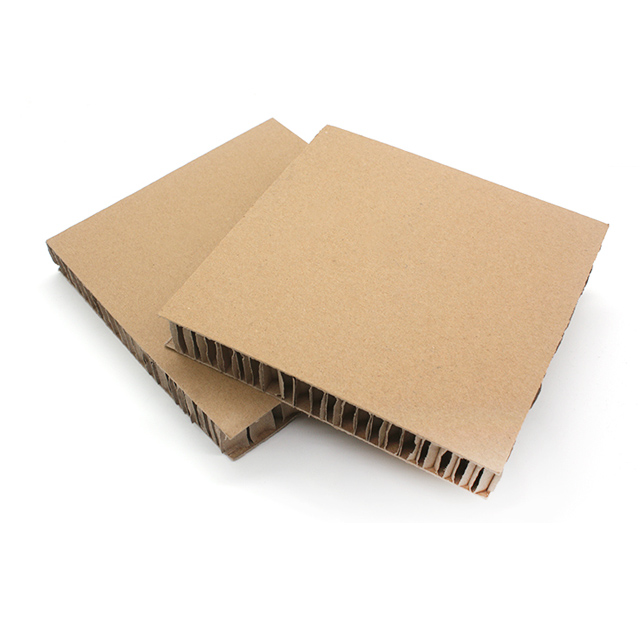
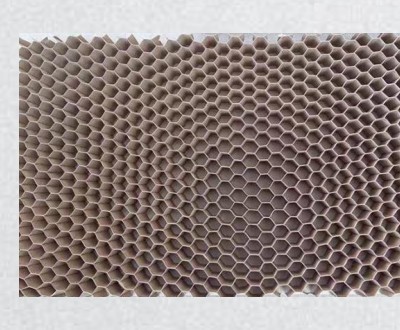
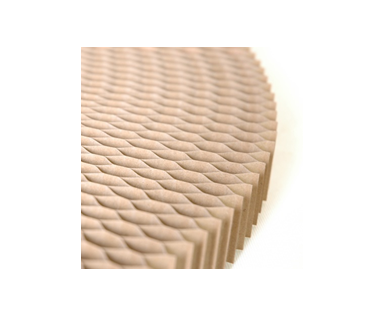
Name honeycomb vs corrugated core options, face paper or kraft grade, thickness, and whether both faces must print. Ask for flatness and thickness tolerance on production panels.
Match print and finishing
Confirm UV, latex, or other print methods the plant supports, plus lamination or protective coats. Soft graphics scuff in install—test install gloves and transport cartons.
Engineer forming and hardware
Provide V-cut drawings, slot joints, shelves, and max shelf load. Honeycomb cores need realistic span limits; over-span shelves fail even when print looks premium.
Check venue constraints
Some halls require FR statements or restricted adhesives. Write any fire-performance or indoor-air expectations into the RFQ before tooling artwork.
RFQ
Panel size/thickness; core type; facing grade
Print method; finishing; graphic proof process
Forming drawings; shelf loads; hardware kit
FR or venue rules; flat-pack carton; sample panel
Related PackTrades Knowledge
Buyer Checklist
Related Products
Supplier SKUs on PackTrades that match this topic—open a product, then submit an RFQ.
Continue on PackTrades
Open the matching product categories, solutions, and RFQ path for this topic.