Technical Articles
Temporary Exhibition Boards vs Permanent POS Displays
Buyer guide to choosing temporary exhibition boards or permanent POS displays: service life, materials, graphics, structure, logistics, installation, and RFQ controls.
Quick answer
Choose temporary exhibition boards for short campaigns, rapid graphics turnover, and low outbound cost; choose permanent POS displays when repeated handling, product weight, cleaning, and brand-life requirements justify stronger materials and hardware. Do not use a temporary board specification for a year-long retail fixture.
Set the required service life
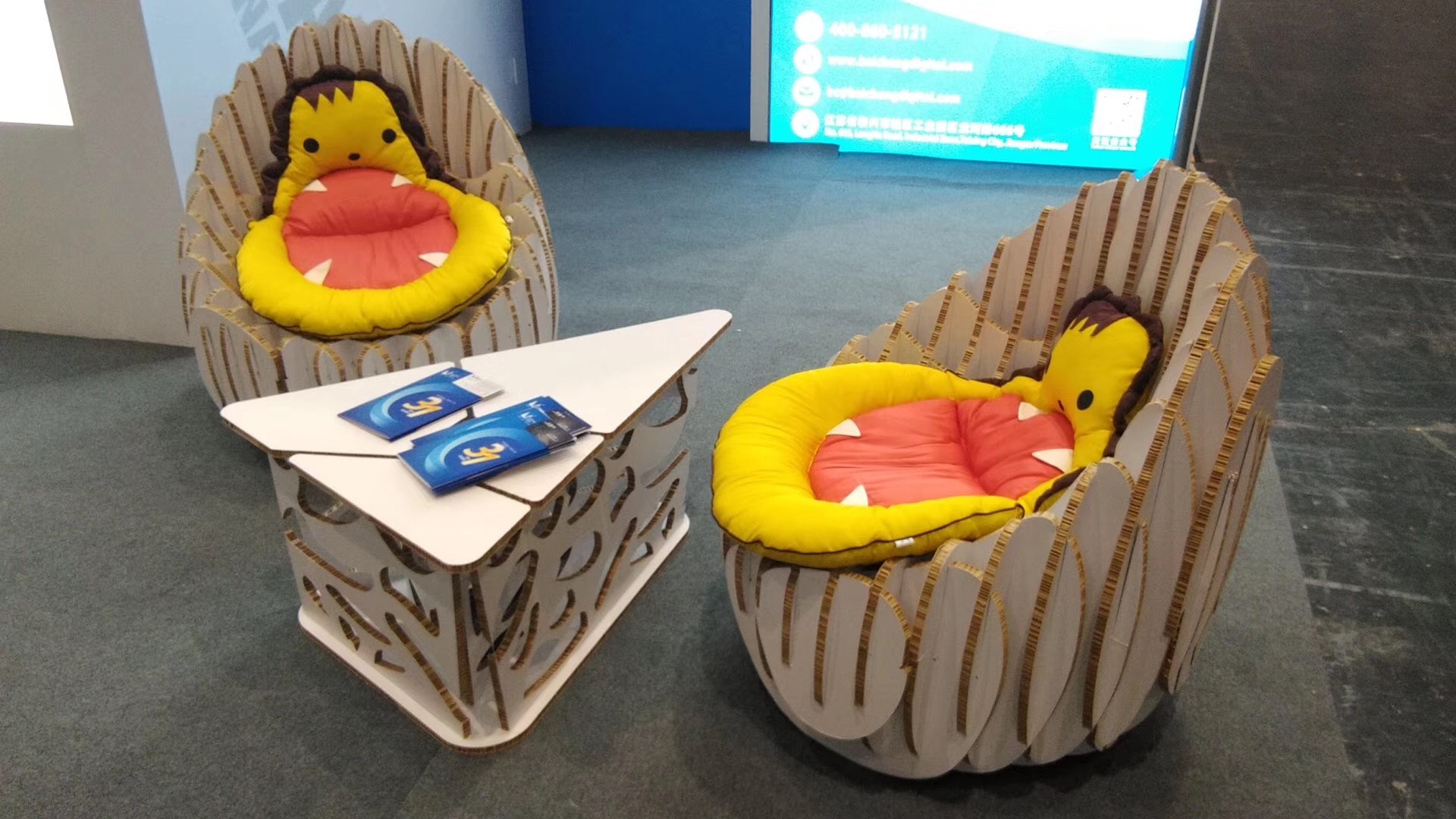
Define campaign dates, number of installs, indoor/outdoor exposure, handling frequency, and whether graphics must be refreshed. Temporary units may use corrugated, foam board, honeycomb, or light composite panels. Permanent POS can require metal, acrylic, wood alternatives, durable plastics, or reinforced board systems.
Compare structure, not appearance
Two displays can share the same printed face but differ in load capacity, joint durability, base stability, and transport survival. State product weight, shelf span, center of gravity, access for replenishment, and anchoring requirements. Include retailer safety rules and tipping limits.
Specify graphics and maintainability
For short campaigns, prioritize print quality, easy assembly, and replaceable graphic panels. For permanent programs, define UV resistance, scratch and cleaning resistance, replaceable parts, and color consistency across replenishment lots. Test cleaning agents if stores will wipe the display.
Plan logistics and installation
Temporary displays usually need compact flat-pack kits and simple instructions; permanent units may need installation hardware, site surveys, and replacement-part stock. Calculate cube, damage risk, and assembly labor for the rollout—not just ex-works display price.
Approve with field trials
Run a loaded prototype through packing, transit, installation, and representative store use. Check assembly time, shelf deflection, graphics damage, stability, and removal/disposal path. Document acceptable cosmetic wear separately for temporary and permanent programs.
RFQ fields
Campaign/service life, environment, and install count
Product load, dimensions, safety/stability requirements
Material construction, graphics, finish, and durability
Flat-pack/assembled logistics and installation scope
Prototype, rollout quantities, replacement parts, Incoterms
Related PackTrades Knowledge
- How to Spec Printable Display Board for Retail Activations
- Folding Cartons from China: Sourcing Guide
- Honeycomb Paperboard Packaging Guide
- Industrial Protective Packaging Overview
Buyer Checklist
Related Products
Supplier SKUs on PackTrades that match this topic—open a product, then submit an RFQ.
Continue on PackTrades
Open the matching product categories, solutions, and RFQ path for this topic.