Industry News
Mid-2026 Buyers Tighten UN Carton and Molded-Fiber Documentation
Export buyers sourcing UN dangerous-goods cartons and wet-pressed pulp trays on PackTrades are requiring design-type reports, fiber declarations, and written substitution bans before releasing mass-production slots.
Mid-2026 packaging RFQs on PackTrades show a sharper split between visual samples and shippable documentation: buyers want the test report, fiber declaration, or marking proof attached before capacity is reserved.
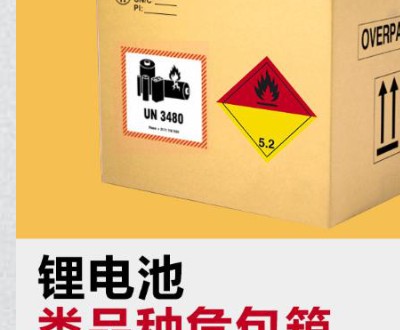
For UN dangerous-goods cartons, purchasers say photo-based approvals are no longer enough. They are asking factories to state the packaging type code, packing-group coverage, and which design-type report applies to the exact board and closure system on offer.
Lihong Packaging–class converters and peers report that early document locks reduce late artwork changes that accidentally cover UN marks or alter inner-packaging arrangements after a carton has already been quoted.
On molded-fiber programs, buyers are pairing wet-pressed tray drawings with written fiber blend, additive constraints, and moisture targets. Several electronics and appliance teams say humidity warp claims rose when empties were packed before parts were fully conditioned.
Suppliers note that the documentation request is spreading from regulated shippers into mainstream sustainable-inner-pack RFQs, where recyclability language must match the actual pulp formulation.
Why buyers care: a carton or tray can pass a tabletop fit check and still fail compliance review, ocean-lane geometry, or customer packaging-committee sign-off when the supporting documents were never frozen.
Buyer takeaways
Attach packaging codes, test-report IDs, and marking rules to every UN carton RFQ and PO.
For wet-pressed pulp, freeze fiber/additive declarations and empty-tray packing methods with the part drawing.
Ban silent substitutions of board, fiber, or closure systems without written re-approval and retained samples.
Buyer Checklist
Related Buyer Guides
Practical Knowledge articles for specs, comparisons, and RFQ checklists on this topic.
How to Design Foam Insert Cavities for Export Packaging
Buyer guide to foam insert cavity design for export: product retention, clearance, material selection, drop validation, assembly, and RFQ details for protective packaging programs.
Bubble Wrap Grades and When to Switch to Air Columns
How buyers compare bubble wrap grades and air-column packaging: film construction, bubble size, cushioning, pack-out speed, freight cube, testing, and RFQ controls.
How to Spec Grey Board Caliper for Rigid Boxes
How rigid-box buyers specify grey board caliper: thickness tolerance, ply construction, bending strength, moisture, wrap fit, and inspection points for China sourcing.
Chipboard vs Grey Board for Packaging Structures
Comparison for packaging buyers of chipboard and grey board: terminology, density, caliper control, strength, print/wrap use, and sourcing questions for structural packaging.
Related Products
Supplier SKUs on PackTrades that match this topic—open a product, then submit an RFQ.
Continue on PackTrades
Open the matching product categories, solutions, and RFQ path for this topic.