Comparison
Chipboard vs Grey Board for Packaging Structures
Comparison for packaging buyers of chipboard and grey board: terminology, density, caliper control, strength, print/wrap use, and sourcing questions for structural packaging.
Quick answer
Chipboard and grey board often describe recycled paperboard used for structure, but trade usage is inconsistent. Buy against construction and performance—caliper, density, stiffness, moisture, surface, and conversion test—not the product name alone.
Treat names as starting points
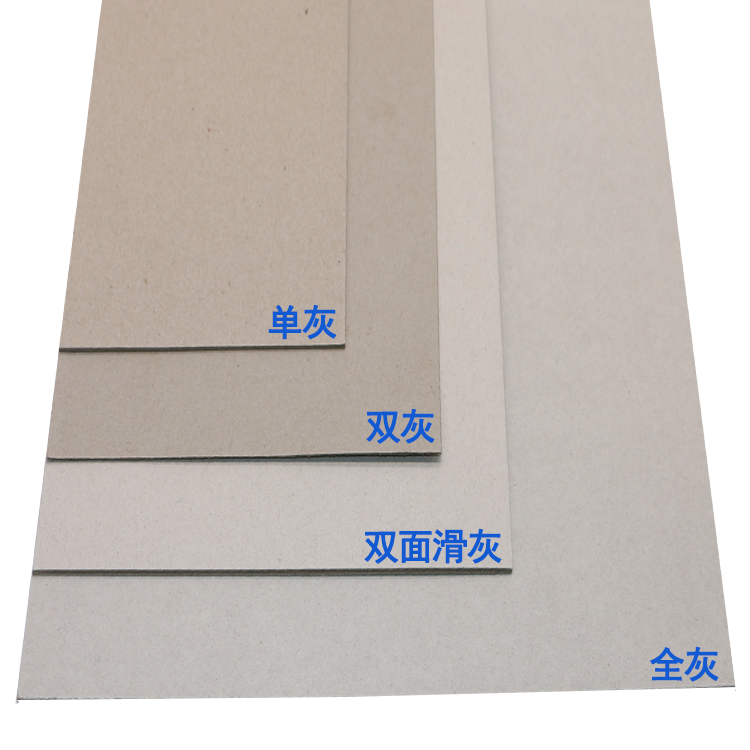
In many supply chains, grey board means dense laminated recycled board for rigid boxes, while chipboard can mean a broader family of recycled boards, including lighter sheets. A supplier may use the terms interchangeably. Request a datasheet and physical sample before mapping either term to your specification.
Compare structural behavior
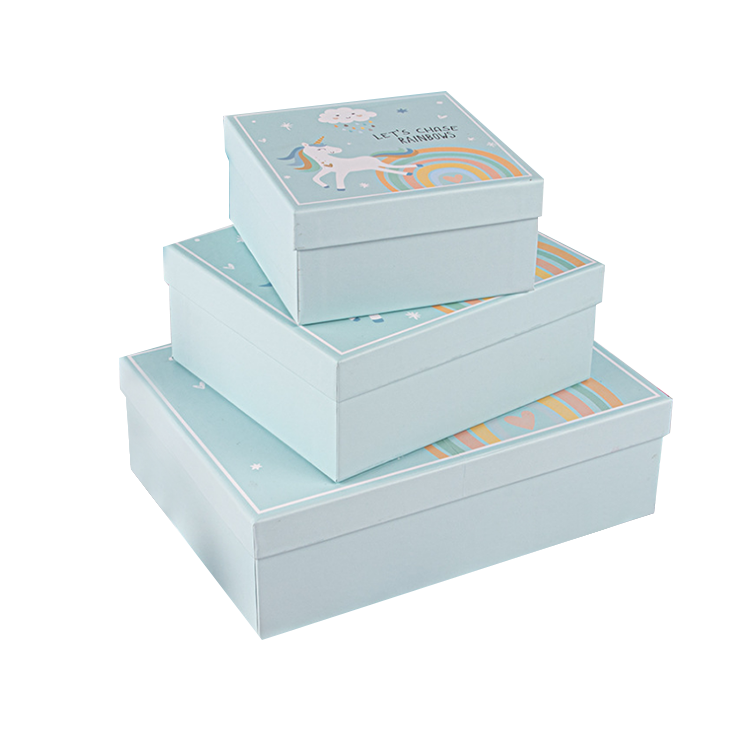
Rigid-box grey board is usually selected for thickness, stiffness, V-groove quality, and stable wrapped corners. Some chipboard grades work for dividers, pads, backing cards, or lower-load structures but can have different density and edge crush. Structure choice should follow load path and finish requirements.
Specify caliper rather than GSM
GSM is useful for comparing mass and freight, but board thickness controls fit and folding geometry. Define caliper tolerance, measurement method, sheet flatness, and moisture. If switching material family, reapprove all tooling-sensitive dimensions.
Assess surface and finishing
Neither material is usually the final graphic face of a luxury box; wrap paper, printed art paper, or laminated faces provide appearance. Still, surface dust, loose fibers, and moisture affect adhesive wet-out and wrap smoothness. For direct printing, ask for the intended printable grade rather than assuming any grey board works.
Test conversion conditions
Run die cutting, V-grooving, corner forming, wrap lamination, and lid fitting with production-intent sheets. Inspect dust, delamination, exposed edges, and panel bow. A board that looks acceptable in a hand-cut mockup may not run reliably on high-volume equipment.
Decide with total cost
Compare usable yield, reject rate, wrap performance, freight, and packing—not only price per tonne. A cheaper low-density sheet can increase wrap rework or require thicker construction. Ask suppliers to quote equivalent sheet count and caliper, not only a nominal GSM.
RFQ fields
Intended structure, dimensions, load, and finish process
Caliper/tolerance, density or stiffness target, sheet size
Moisture, flatness, dust, and ply-bond expectations
V-groove/die-cut/wrap trial requirements
Quantity, approved reference sample, packing, and Incoterms
Related PackTrades Knowledge
Buyer Checklist
Related Products
Supplier SKUs on PackTrades that match this topic—open a product, then submit an RFQ.
Continue on PackTrades
Open the matching product categories, solutions, and RFQ path for this topic.