Industry News
Exporters Freeze Twist-off Compound for Q1
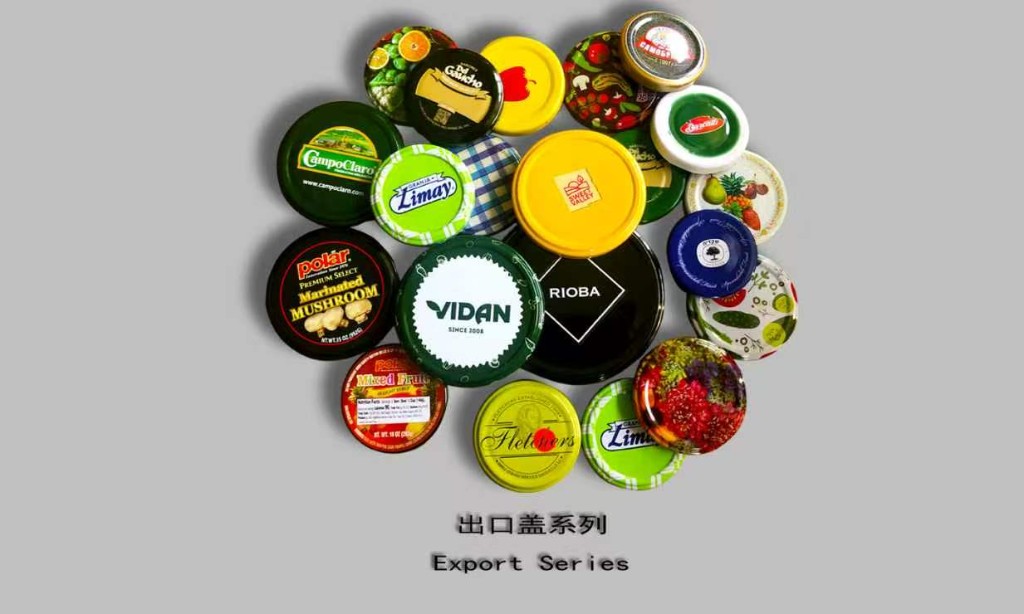
Food exporters locking Q1 jar programs are freezing twist-off compound, lug count, and metal before print, ahead of the late-January factory pause.
Q1 food-jar work on PackTrades is stopping at artwork until the twist-off compound, lug count, and metal sit on the same sheet as the fill process. A diameter and a label file are no longer enough to release print.
Quotes that look interchangeable often are not. One plant prices a cold-fill gasket. Another prices a high-temperature compound for hot fill or retort. Until the buyer writes the temperature and the time, those unit prices cannot be lined up. The same split appears on metal: tinplate and tin-free steel are both offered as “iron caps,” and Chinese 不锈铁 on a cap list usually means tin-free steel, not stainless.
The calendar is the other constraint. Chinese New Year falls on 6 February 2027, and many cap and glass plants slow in late January. A compound change after that window is a new seal test on the production jar, not a color tweak. Buyers who still owe a finish drawing should send it with the RFQ now, including lug count, so the sample uses the jar they will actually fill.
Importers are also separating certificate scope from factory marketing. A food-contact report has to name the compound, the lacquer, and the food category. A company-level test sheet that never mentions the gasket is being treated as incomplete. PackTrades does not hold cap-plant certificate scans, so the report number is a buyer check before the purchase order.
Why buyers care: a printed lug cap can match the brand and still leak or lose vacuum if the compound was never tied to hot fill or retort. Print approval does not prove the seal.
What should be frozen this month?
Freeze finish, lug count, metal, lacquer, and compound grade before plates. State cold fill, hot fill, or retort with a temperature and a dwell. Approve vacuum or leak results on the production jar, and ban silent swaps of metal or compound.
Buyer takeaways
Put finish, lug count, metal, and compound grade on every twist-off RFQ.
Approve a seal test on the production jar before mass print.
Ban silent metal or compound substitutions without a re-tested pack.
Ask which report names this cap, and keep the original before you order.
Buyer Checklist
Related Buyer Guides
Practical Knowledge articles for specs, comparisons, and RFQ checklists on this topic.
How to Spec Twist-off Caps for Export Jars
Specify export twist-off caps by jar finish, lug count, metal, and compound—not diameter alone. RFQ China cap plants with the jar drawing and fill process.
Tinplate vs Tin-Free Steel Twist-off Caps
Choose tinplate or tin-free steel twist-off caps by lacquer, cut-edge protection, and the fill—not by coil price. Confirm both on your jar.
How to Spec Grey Board Caliper for Rigid Boxes
How rigid-box buyers specify grey board caliper: thickness tolerance, ply construction, bending strength, moisture, wrap fit, and inspection points for China sourcing.
Chipboard vs Grey Board for Packaging Structures
Comparison for packaging buyers of chipboard and grey board: terminology, density, caliper control, strength, print/wrap use, and sourcing questions for structural packaging.
Related Products
Supplier SKUs on PackTrades that match this topic—open a product, then submit an RFQ.

Continue on PackTrades
Open the matching product categories, solutions, and RFQ path for this topic.