Buying Guide
PP vs PET Packaging Containers for Retail SKUs
Buyer comparison of PP and PET retail packaging containers: clarity, heat, chemical fit, barrier, recycling claims, tooling, and sampling controls for plastic packaging procurement.
Quick answer
Use PET when clarity and display are primary; use PP when higher temperature tolerance, hinge performance, or certain chemical applications matter. Confirm with your product, fill process, closure, and market compliance needs—material labels alone do not qualify a retail container.
PET strengths and limits
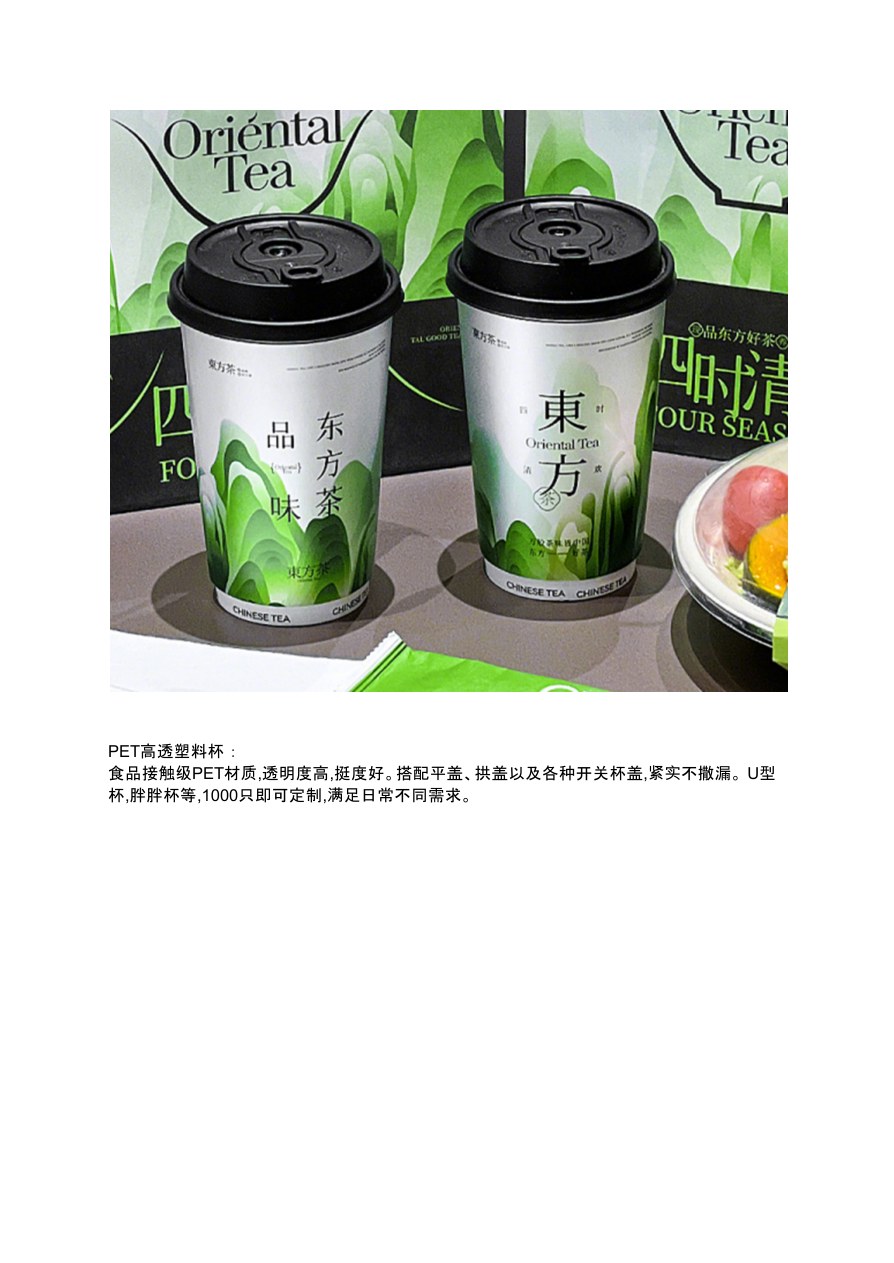
PET offers strong clarity and a premium display for many cold-filled foods, cosmetics, and dry goods. It can be a good choice where product visibility drives conversion. Heat exposure, certain process temperatures, and product chemistry can limit it, so validate the intended fill and distribution conditions.
PP strengths and limits
PP is commonly selected for tubs, hinged containers, and applications needing more heat resistance than standard PET. It is naturally less clear unless clarified grades are used, and perceived appearance can differ between suppliers. State whether transparency, haze, or opaque color is acceptable.
Closure and process fit
Container material cannot be selected separately from the lid, liner, induction seal, and fill method. Hot fill, retort, freezing, oily products, and aggressive formulas all need application-specific trials. Ask suppliers which resin grade and process window the quoted container uses.
Recycling and claims
PET and PP enter different collection and recycling streams in many markets. A recyclable claim depends on the full pack: labels, sleeves, colorants, adhesives, and local infrastructure. Do not make consumer claims from a resin code alone.
Tooling and quality
Injection molding, thermoforming, and blow molding produce different wall distributions and tolerances. Define neck/closure dimensions, volume, fill line, nesting or stacking, drop resistance, and cosmetic defects. Test the filled pack after transport simulation where leakage or paneling matters.
RFQ fields
Product, fill temperature, shelf-life and chemical notes
PP or PET grade; clarity/color and recycled-content rules
Volume, neck/closure drawing, wall or weight target
Food-contact/compliance documents for destination market
Tooling ownership; samples; quantity ladder; Incoterms
Related PackTrades Knowledge
Buyer Checklist
Related Products
Supplier SKUs on PackTrades that match this topic—open a product, then submit an RFQ.

Continue on PackTrades
Open the matching product categories, solutions, and RFQ path for this topic.