Buying Guide
Kraft Paper Supplier Guide for Packaging Buyers
How packaging buyers source kraft paper from China: grades, GSM, strength, sack vs wrapping kraft, moisture, converting fit, and RFQ specs for bags, wraps, and industrial packs.
Quick answer
Source kraft paper by locking end use (bags, wrapping, laminating, industrial), GSM, pulp type, and strength tests—not by ordering “brown kraft” from a photo. Sack kraft and wrapping kraft are not interchangeable on every bag line.
End uses that change the grade
Twisted-handle shopping bags, food carrier bags, industrial wraps, interleaving, and laminations onto board. Food-contact and wet-strength needs must be stated early. Recycled content changes shade and strength—document if claimed.
Specs that belong on the RFQ
GSM, reel width, core ID, brightness/shade band, tensile/tear targets if you have them, cobb/sizing notes for glue or print, and moisture. Ask for tolerance on GSM and whether mill certificates ship with lots.
Converting fit
Bag plants care about runnability, dust, and stretch; laminators care about coat receptivity; printers care about holdout. Share the converting process with shortlisted mills/traders. Trial reels beat brochure GSM tables.
Storage and seasonality
Kraft is hygroscopic. Define warehouse climate and wrap of reels. Peak bag seasons tighten supply—book trials before marketing launches freeze late.
RFQ fields
End use; GSM; reel width; core
Virgin/recycled rules; wet-strength needs
Strength/print notes; monthly tonnage
Sample reels/sheets; Incoterms; packing
Related PackTrades Knowledge
Buyer Checklist
Related Products
Supplier SKUs on PackTrades that match this topic—open a product, then submit an RFQ.
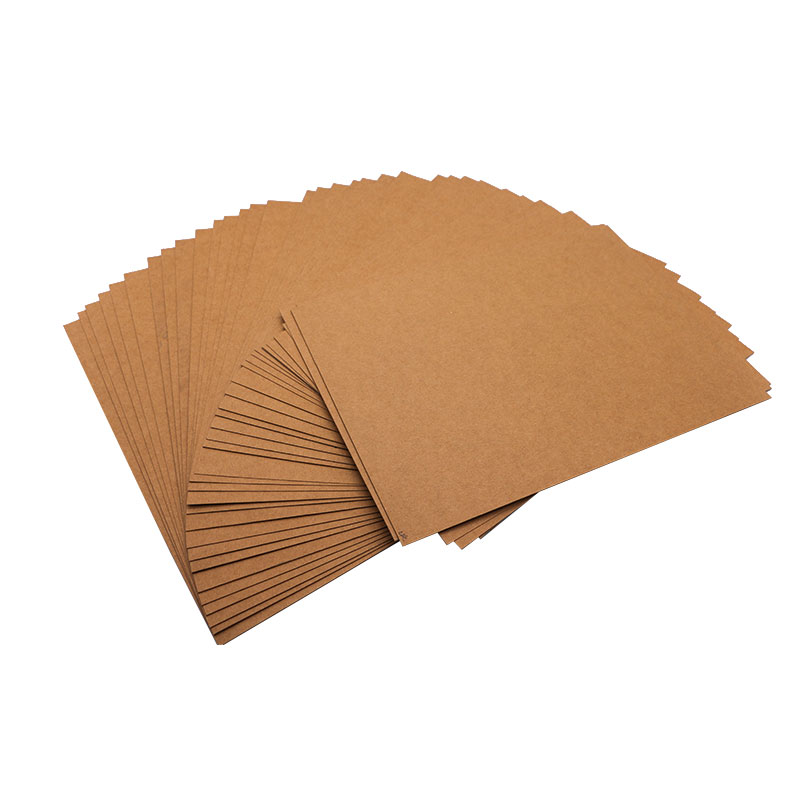
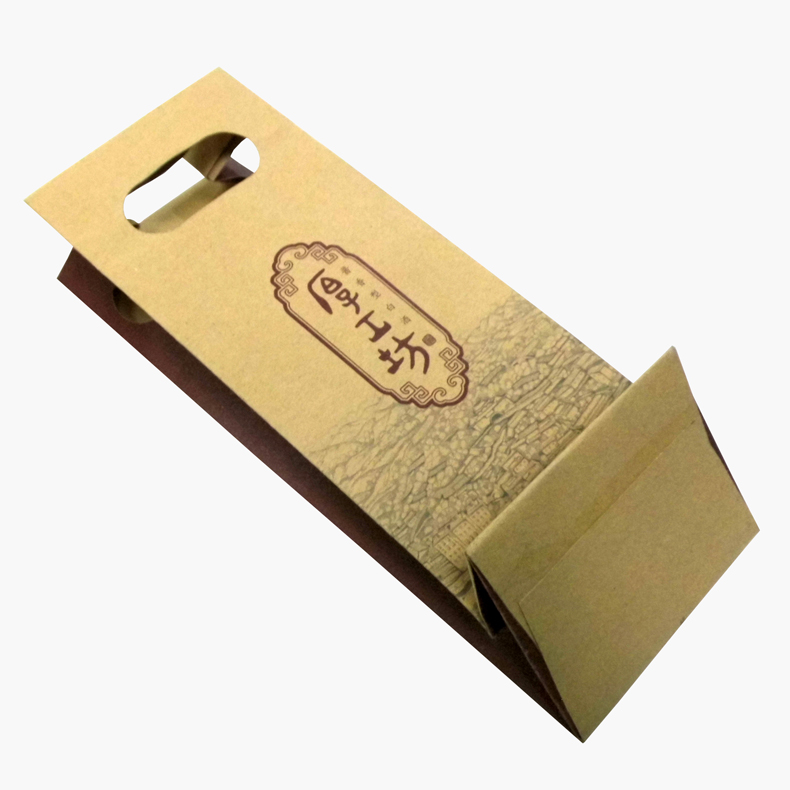
Continue on PackTrades
Open the matching product categories, solutions, and RFQ path for this topic.