Buying Guide
How to Spec Food-Grade Inks for Direct-Contact Paper Packaging
Buyer guide to food-grade inks for direct-contact paper packaging: contact type, migration limits, ink system, curing, documentation, sampling, and RFQ fields for China print suppliers.
Quick answer
Specify food-grade inks from the contact scenario: direct vs secondary contact, food type, temperature, and required declarations—not from a supplier claim that ink is “eco” or “safe.” Direct-contact paper wraps need tighter documentation than outer shipper print.
Define the contact case
State whether ink can touch food, is separated by a functional barrier, or is only on outer cartons. Grease, moisture, and heat change risk.
Lock ink and process
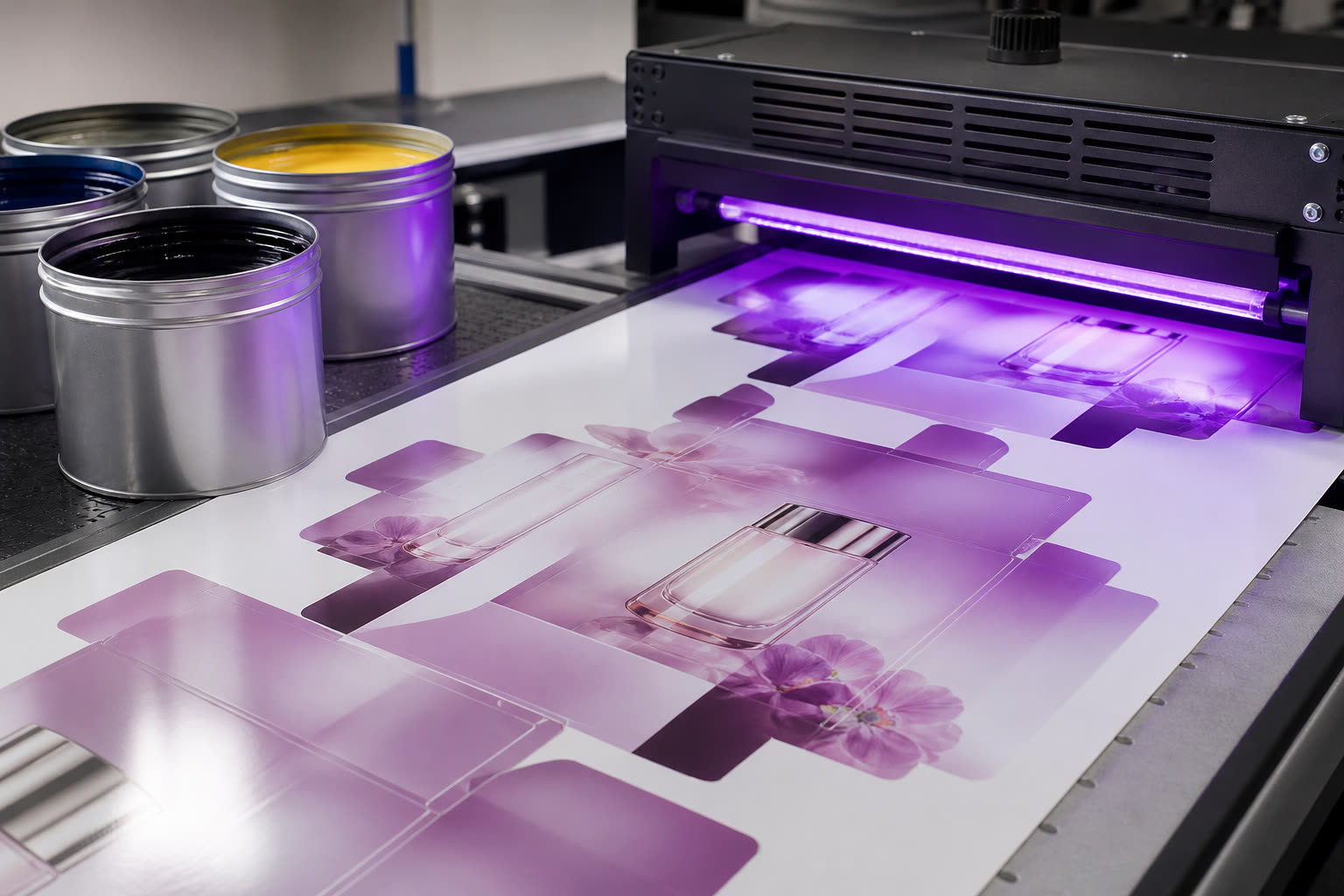
Name ink chemistry family, curing/drying method, and any low-migration requirements. Confirm press type and whether overprint varnish is part of the food-contact system.
Demand documents
Request statements of composition/compliance appropriate to your markets, lot traceability, and change-control rules. Marketing PDFs are not enough for brand legal review.
Validate production print
Approve color and odor on production stock with retained printed samples. Sensory issues often appear only after converting and packing.
RFQ
Contact type; food category; temperature
Ink system; varnish; press process
Required declarations; lot coding
Sample prints; monthly volume; substitution ban
Related PackTrades Knowledge
Buyer Checklist
Related Products
Supplier SKUs on PackTrades that match this topic—open a product, then submit an RFQ.
Continue on PackTrades
Open the matching product categories, solutions, and RFQ path for this topic.