Buying Guide
Composite Paper Cans and Canisters from China
How to source composite paper cans and canisters from China: structures, lids, barriers, food-grade notes, tooling, sampling, and RFQ specs for tube packaging buyers.
Quick answer
Source composite paper cans by freezing diameter/height, wall structure, lid/closure type, and barrier needs before decoration. Composite cans are engineered tubes with ends—not generic poster tubes with a pretty label.
Typical structures
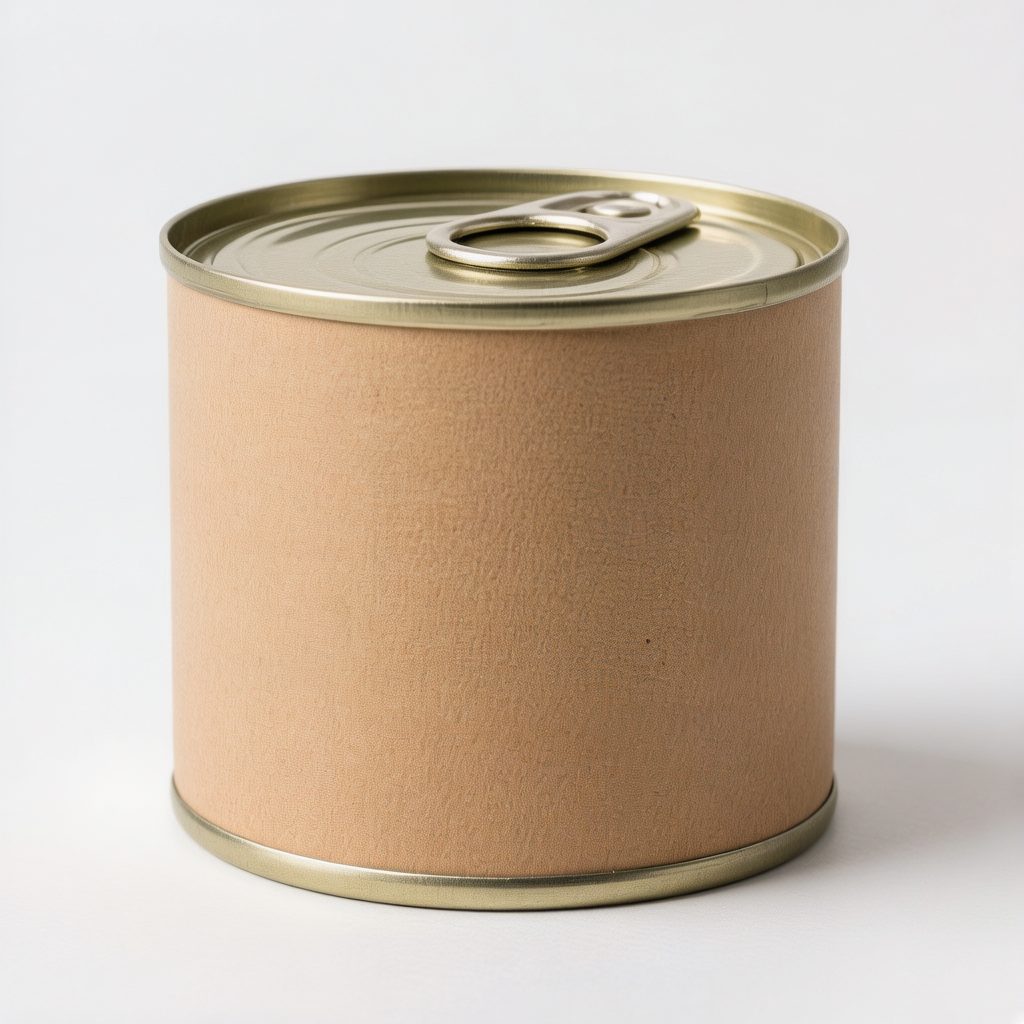
Spiral-wound paperboard walls with optional foil or film barriers, paper or metal ends, plastic overcaps, and sometimes membrane seals. Food, tea, protein powders, and gift formats dominate—each needs different barrier and closure rules.
Closures and consumer experience
Tinplate ends, peel membranes, shaker tops, and luxury overcaps change tooling and MOQ. Opening force and reseal expectations should be written. Child-resistant or senior-friendly needs belong in the brief.
Barrier and food-grade
State oxygen/moisture expectations and food-contact documentation for your market. Aroma-critical products need odor trials. Do not approve a dry gift can structure for hygroscopic powders without barrier review.
Print and labeling
Direct print, wraps, or labels—each has registration and scuff risks. Approve on the curved surface. Soft-touch films affect claims and handling marks.
Sampling path
Dimension/white can → printed/wrapped sample → filled packing trial (drop/seal). Sign lid fit, membrane peel, and label alignment.
RFQ fields
Diameter/height; wall structure
Lid/membrane/overcap type
Barrier/food-contact needs
Decoration; quantity ladder
Tooling ownership; Incoterms; samples
Related PackTrades Knowledge
Buyer Checklist
Related Products
Supplier SKUs on PackTrades that match this topic—open a product, then submit an RFQ.

Continue on PackTrades
Open the matching product categories, solutions, and RFQ path for this topic.