Industry Trend
Sustainable Packaging Trends 2026
Buyer-focused 2026 sustainability trends for paper packaging: recycled content and fiber claims, lightweighting vs damage risk, adhesive and barrier choices, documentation readiness, and RFQ fields that turn trend language into enforceable specs.
Quick answer
Buyer-focused 2026 sustainability trends for paper packaging: recycled content and fiber claims, lightweighting vs damage risk, adhesive and barrier choices, documentation readiness, and RFQ fields that turn trend language into enforceable specs.
What actually changed for buyers in 2026
Sustainability pressure is no longer a marketing appendix—it shows up in retailer questionnaires, importer documentation checks, and brand risk reviews. For paper packaging programs sourced from China, the practical shift is from vague “eco” language to enforceable material definitions, testable performance, and claim documentation. Buyers who treat sustainability as a slogan on the RFQ will still get substitutions; buyers who write gates will get comparable quotes.
Recycled content: specify, verify, do not assume strength
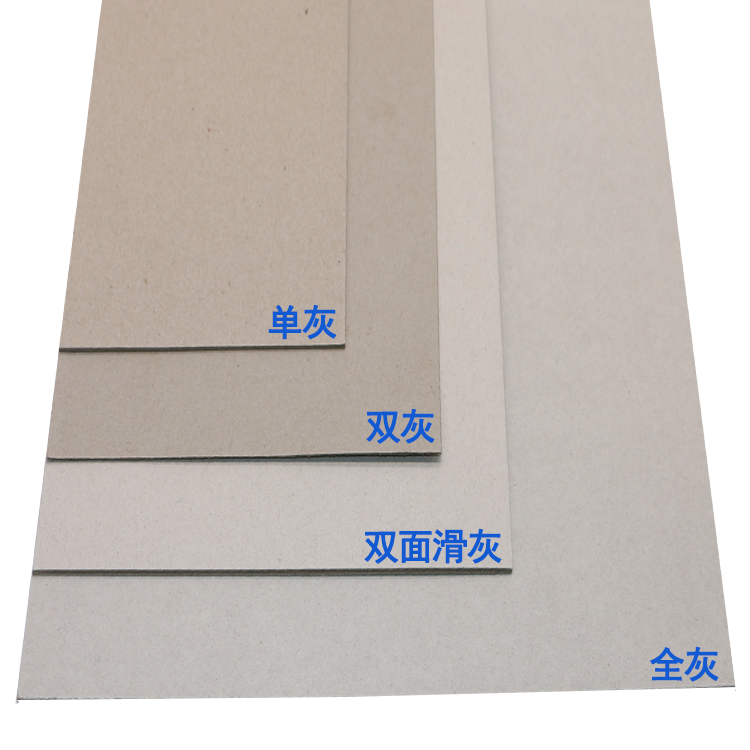
Recycled liners, mediums, kraft, and grey board remain central to cost and carbon narratives. The buyer task is to separate three questions: (1) what recycled content percentage and method of accounting is claimed, (2) what strength/print performance is required, and (3) what documents prove the claim for your market or retailer. Recycled does not automatically mean weaker—or automatically compliant. Put minimum performance (e.g., ECT for corrugated, GSM/tear for bags, flatness for grey board) beside any recycled-content target, and forbid silent virgin/recycled swaps after approval.
Fiber-based retail packs and the “plastic substitution” trap
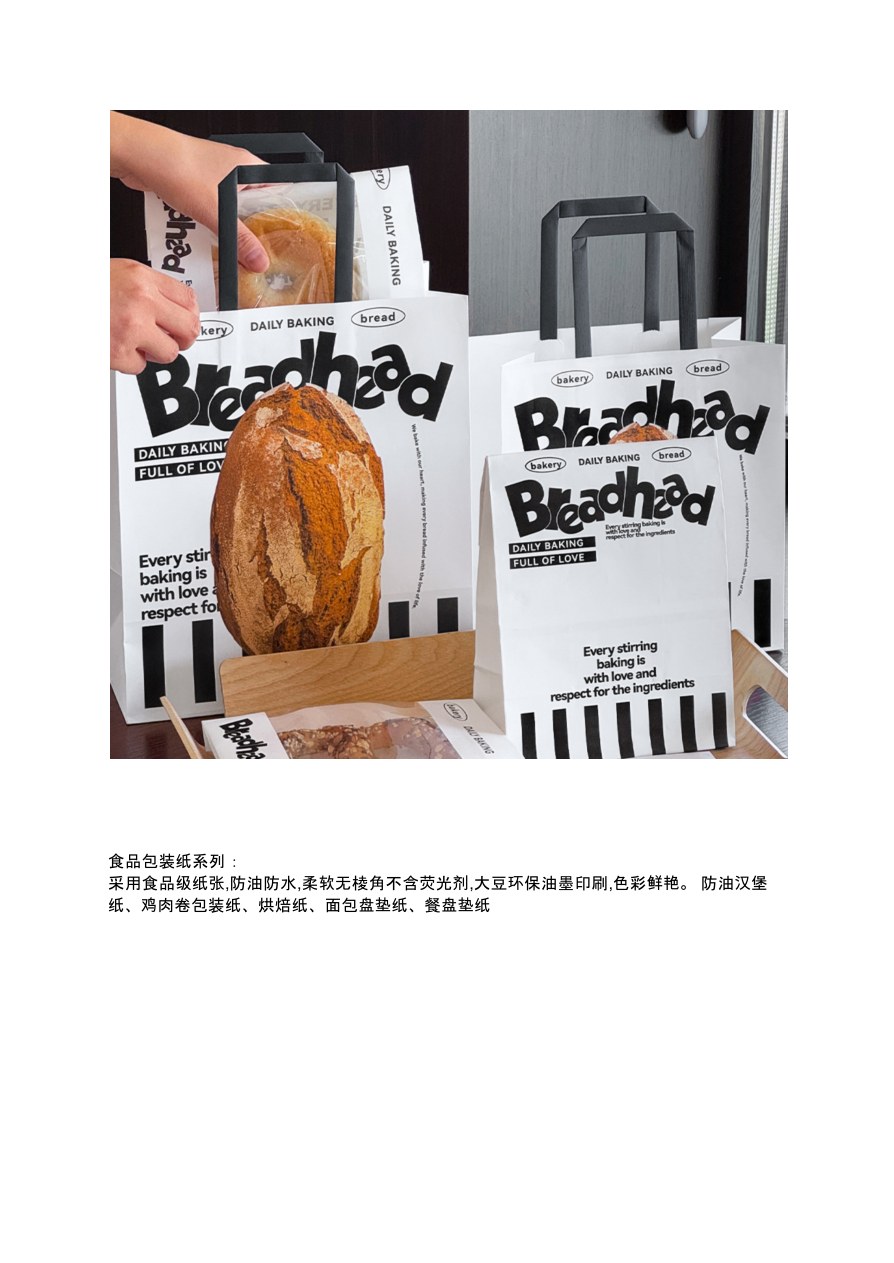
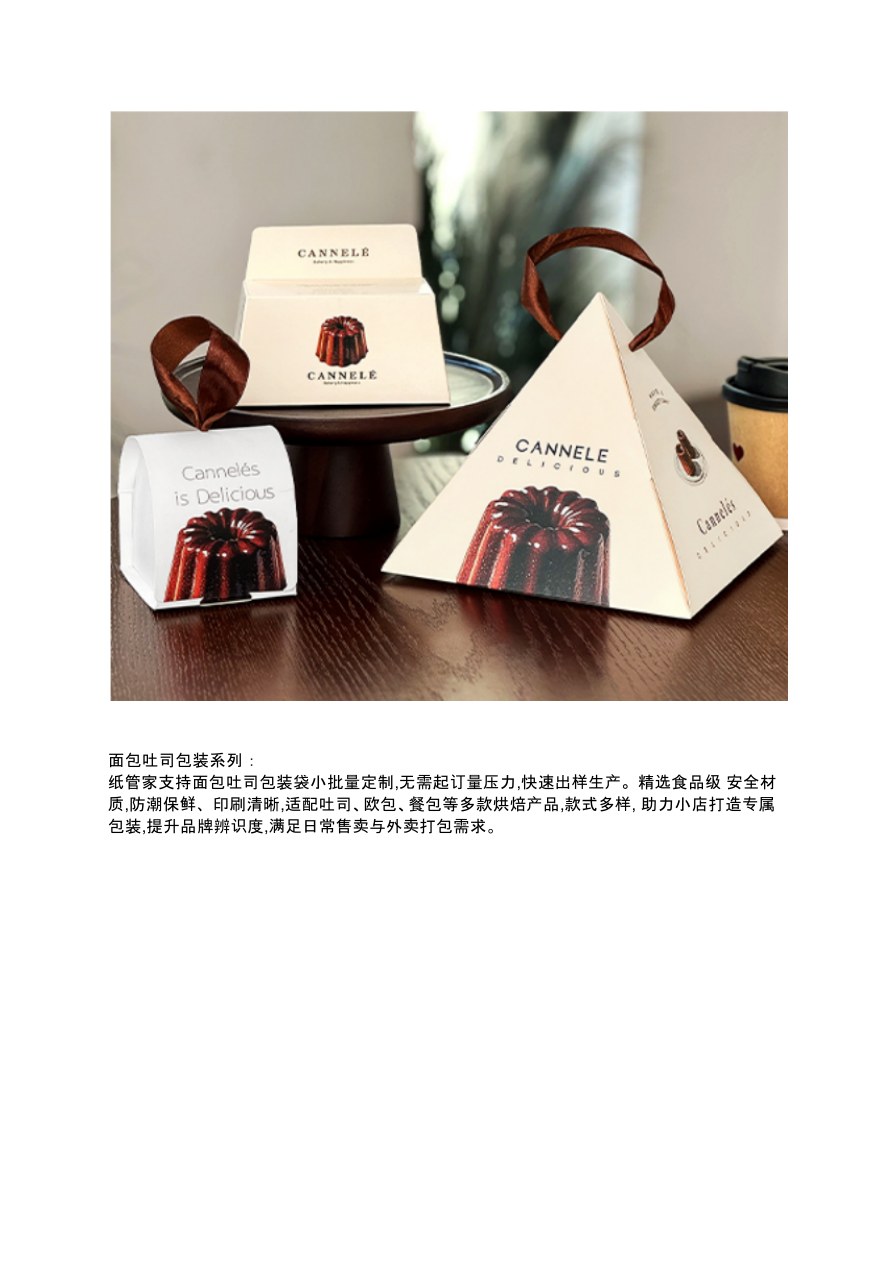
Brands continue to move gifts, cosmetics accessories, and e-commerce kits toward paper bags, paper canisters, moulded pulp, and rigid fiber boxes. The failure mode is substituting plastics out without re-validating protection, humidity behavior, and consumer opening experience. Paper tubes, grey-board rigid boxes, and kraft bags can replace plastic presentations—but only when drop/stack, scuff, and lid-fit tests pass. Treat each substitution as an engineering change with a signed sample, not as a catalog swap.
Lightweighting with a damage-rate budget
Lightweighting—thinner board, lower GSM bags, lighter flute combinations, reduced foam density—remains the highest-leverage cost and emissions lever when it works. In 2026, serious programs set a maximum acceptable damage rate and reverse into material choices. Cutting ECT or bag GSM to hit a sustainability slide, then absorbing returns, is not a sustainability win. Require filled trials for critical SKUs and record the board/bag construction that passed, including humidity assumptions for ocean lanes.
Adhesives and bonds are part of the sustainability spec
Fiber packaging fails sustainability goals when glue joints, laminations, or soft-touch films make the pack non-recyclable in the destination system—or when weak bonds cause delamination and product damage. Buyers should ask converters which adhesives are used for seams, laminations, and rigid-box wrapping, and whether those choices conflict with recycling claims in target markets. For corrugated, delamination under humidity is both a quality and a waste issue. Align adhesive open time and water resistance with process and climate; do not leave adhesive selection as an invisible factory default on premium eco claims.
Barriers, coatings, and finish chemistry
Grease, moisture, and aroma barriers are returning in paper formats as plastic trays exit. Aqueous coatings, dispersion barriers, and selective films each change recyclability storytelling and performance. Soft-touch and heavy plastic laminations on “kraft-look” bags remain common—and commonly mislabeled as sustainable. Decide brand rules before sampling: which finishes are allowed, which claims will be made, and whether a slightly higher damage-protecting construction without film is preferable to a laminated pack that fails retailer recyclability questions.
Documentation buyers should demand before mass production
Trend decks do not clear customs or retailer portals. Depending on market and channel, prepare: recycled-content statements with scope, FSC or other chain-of-custody if claimed, food-contact or low-migration declarations when relevant, material composition lists for multi-part packs (board + film + magnet + foam), and evidence tied to the actual producing plant. Verify certificate names match the factory. Build a document checklist into the PO so production cannot finish before paperwork is ready.
Design for recycling vs design for logistics
Mono-material fiber packs score well on recycling narratives but can lose in parcel networks without smart structure, inserts, or outer shippers. Conversely, mixed-material premium kits can protect products and still fail customer sustainability FAQs. The 2026 buyer compromise is intentional: use fiber-first structures where damage data allows; keep mixed materials only where protection or closure function requires them; and document why. EVA/EPE inserts, magnets, and windows should be justified with a protection or UX reason, not habit.
RFQ language that turns trends into comparable quotes
Replace “eco-friendly packaging” with fields: recycled content target + documentation type; allowed/forbidden films and foils; adhesive constraints if any; strength gates (ECT, bag pull, box rigidity); lightweighting ceiling (minimum caliper/GSM/ECT); sample and trial requirements; and claim review ownership (who approves on-pack logos). Ask suppliers to price the frozen construction—and a documented alternate if you want a cost/sustainability option—without mixing them in one vague line item.
Supplier capability signals that matter now
Prefer plants that can explain material grades, show incoming paper control, and provide claim documents without improvisation. For corrugated and cartons, ask how they prevent flute/board substitution. For bags and rigid boxes, ask how finishes affect recycling claims in your destination markets. Suppliers that only answer with “biodegradable” or “green glue” without specs are not ready for retailer-grade programs.
Practical 2026 decision sequence for a packaging SKU
1) Define channel claims and retailer questions you must answer. 2) Set performance and damage budget. 3) Choose fiber construction and finishes that can truthfully support claims. 4) Lock adhesives/barriers with the converter. 5) Approve samples with tests. 6) Freeze documentation pack. 7) Pilot bulk and measure damage and claim challenges. 8) Scale only the construction that survives both warehouse and questionnaire.
Related PackTrades Knowledge
Buyer Checklist
Related Products
Supplier SKUs on PackTrades that match this topic—open a product, then submit an RFQ.
Continue on PackTrades
Open the matching product categories, solutions, and RFQ path for this topic.