Comparison
Kraft Paper vs Corrugated Board
Clear comparison of kraft paper and corrugated board roles in packaging: wrapping and void fill vs structural cartons, with selection rules so buyers stop substituting one for the other.
Quick answer
Clear comparison of kraft paper and corrugated board roles in packaging: wrapping and void fill vs structural cartons, with selection rules so buyers stop substituting one for the other.
They solve different problems
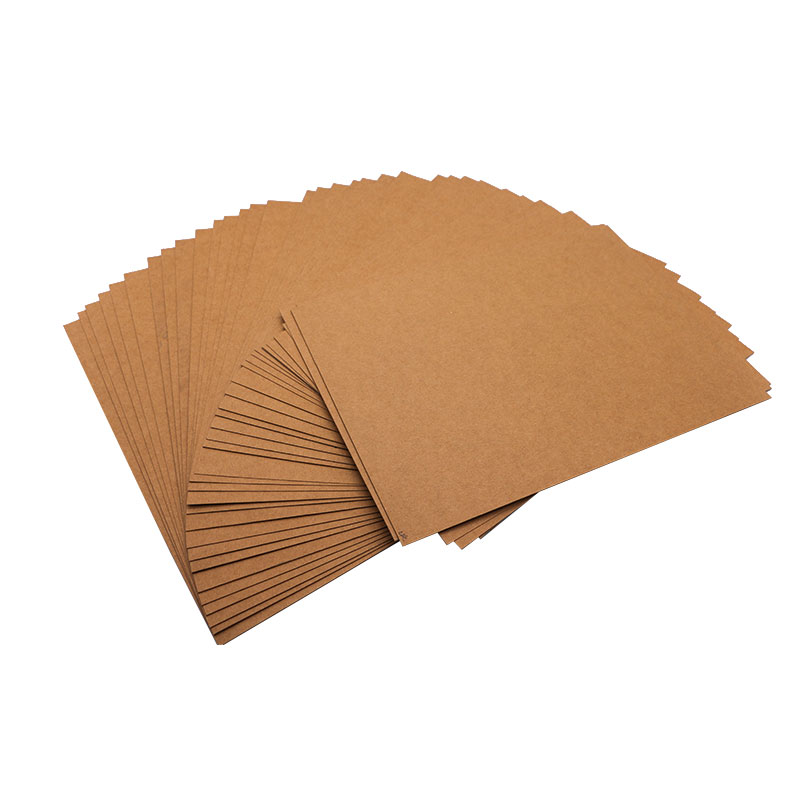
Kraft paper is a flat paper used for wrapping, interleaving, void fill, bags, and some inner protection. Corrugated board is a structural sandwich of liners and fluted medium designed for cartons with stacking strength. Substituting kraft wraps for corrugated shippers—or vice versa—creates either crush damage or wasted cost.
Structure
Kraft: single web, properties driven by furnish, grammage, and sizing. Corrugated: engineered geometry; ECT and flute dominate stacking behavior more than a single grammage number.
Where kraft paper wins
Surface wrapping, layer pads, void fill, mailer interiors, bag converting, and light protection where stacking of a filled carton is not required. Lower cost for simple protection layers when structure is provided elsewhere.
Where corrugated wins
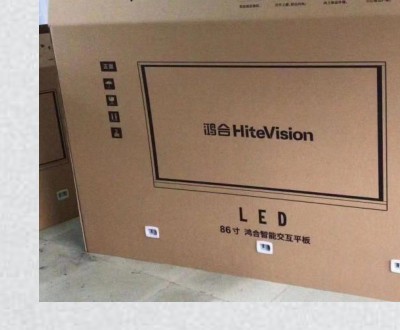
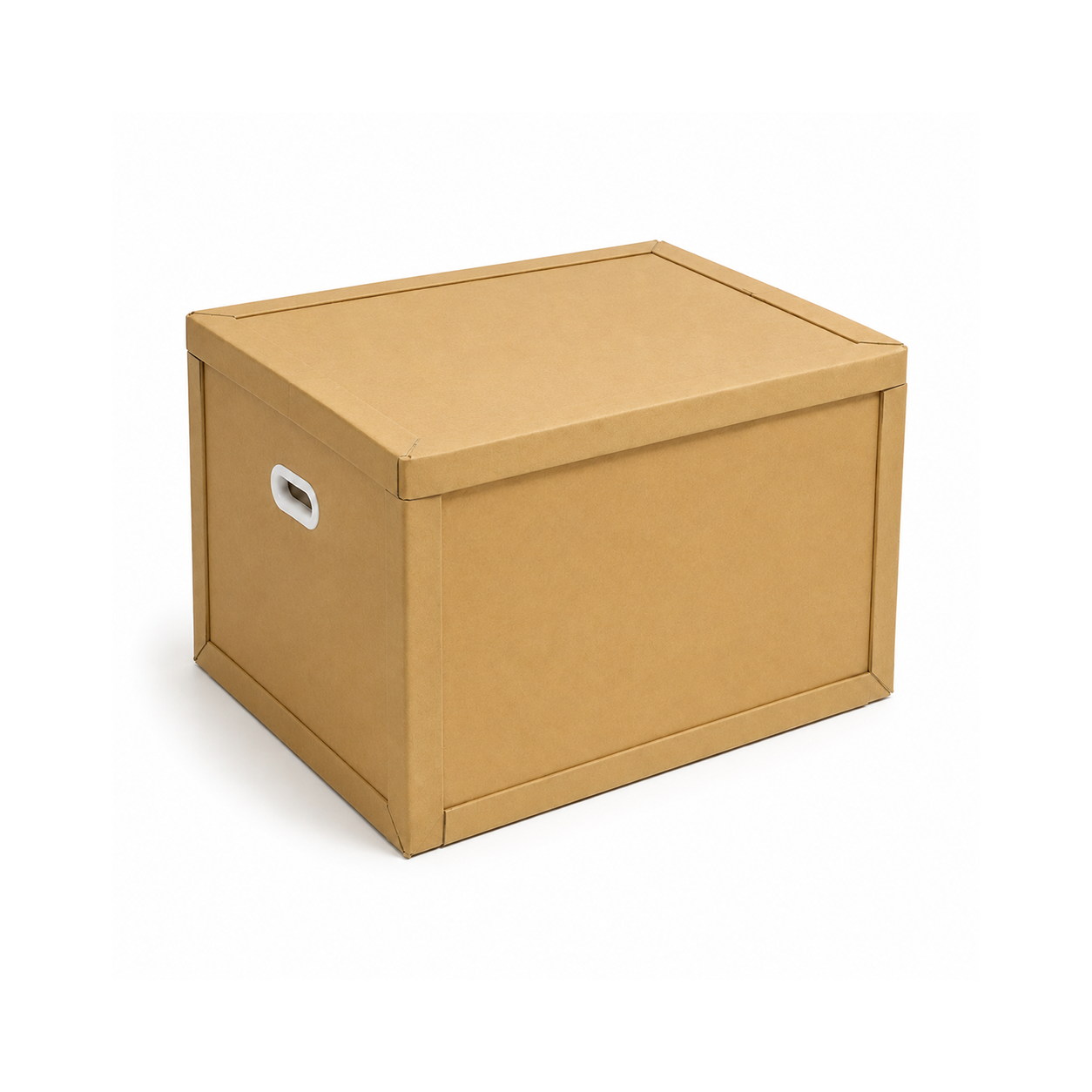
Shipping cartons, retail-ready packs, export boxes, anything that must survive pallet stacks. Also when you need standardized converting into boxes at scale.
Hybrid packs (common and correct)
Corrugated outer + kraft or honeycomb inner protection is normal in export. Specify each layer’s job: outer for stack/puncture, inner for surface/cushion.
Buyer mistakes
Ordering “thick kraft” expecting carton stacking; buying corrugated for simple wrap jobs; ignoring humidity on both materials; mixing print expectations (kraft aesthetics vs corrugated washboard).
Sourcing tip
Put material role in the RFQ title (“outer RSC carton” vs “kraft wrap sheet”) so suppliers do not quote the wrong product family.
Related reading
How to Choose Corrugated Board, Honeycomb Paper vs Corrugated Board, Honeycomb Paper vs Foam Packaging.
Buyer Checklist
Related Products
Supplier SKUs on PackTrades that match this topic—open a product, then submit an RFQ.
Continue on PackTrades
Open the matching product categories, solutions, and RFQ path for this topic.