Product Knowledge
Boiler-Free Corrugated Board Production Line Explained
Technical buyer guide to boiler-free corrugated board production lines: how they differ from steam corrugators, adhesive and process dependencies, energy trade-offs, and evaluation criteria.
Quick answer
Technical buyer guide to boiler-free corrugated board production lines: how they differ from steam corrugators, adhesive and process dependencies, energy trade-offs, and evaluation criteria.
What “boiler-free” means on a corrugating line
A boiler-free corrugated board production line is designed to reduce or eliminate reliance on a traditional steam boiler for heating paper and setting adhesive bonds. The commercial promise is lower fuel cost, simpler emissions compliance, and less boiler-house overhead. The technical reality is that board quality still depends on heat management (even if localized), adhesive chemistry, paper moisture, and machine control—not on removing a boiler sticker from the brochure.
Why conventional lines use steam boilers
Classic corrugators use steam to preheat liners and medium, stabilize moisture, and support gelatinization/setting of starch adhesives at industrial speeds. Boilers bring fuel consumption, water treatment, pressure-vessel safety, maintenance downtime, and local environmental permits. For greenfield plants in regions with strict boiler rules—or factories without existing steam infrastructure—those overheads can dominate the investment case.
How boiler-free / low-temperature concepts work in practice
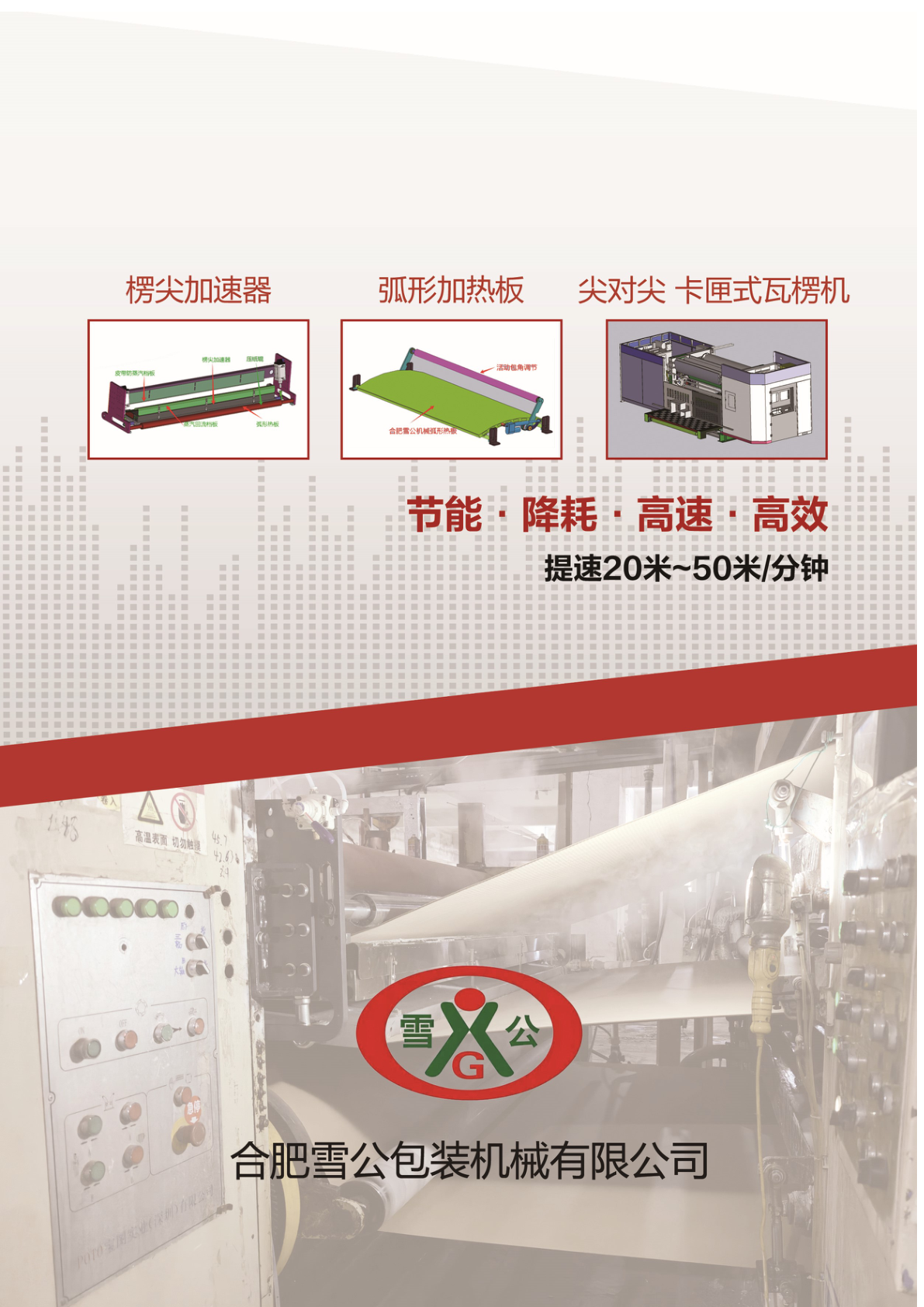
Implementations vary: electric or thermal-oil heating at critical nips, redesigned single-facer heat paths, room-temperature or low-temperature adhesive systems, and tighter process windows for paper moisture. Some lines are truly boiler-less; others are “low steam” hybrids. Buyers must ask which heat sources remain, what adhesive system is required, and what board constructions (flute, wall, recycled content) are proven at the quoted speed—not only the marketing label.
Adhesive compatibility is not optional
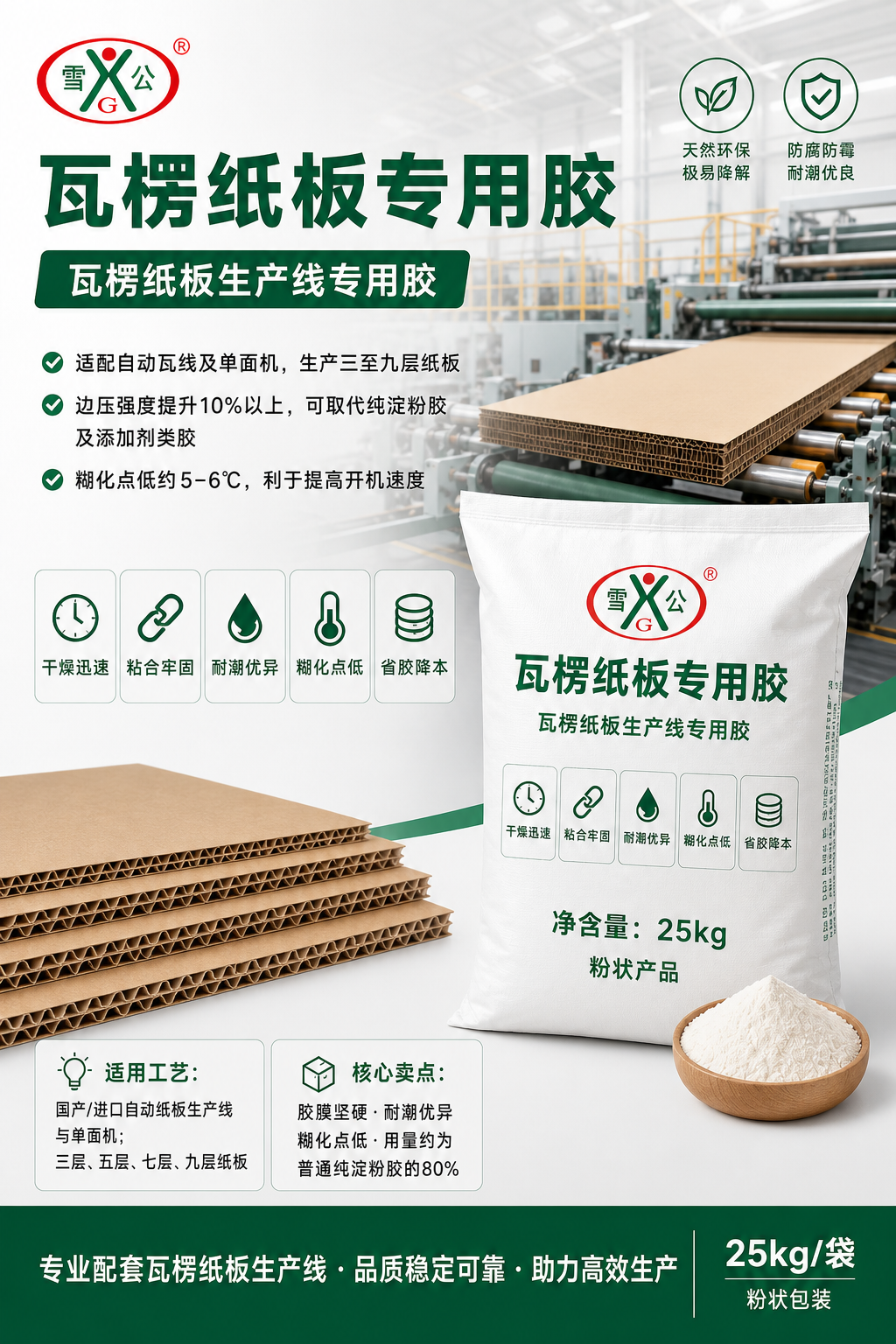
Boiler-free performance collapses when adhesive open time, gel behavior, or solids are mismatched to the heat profile. Starch systems tuned for high-temperature steam lines may not transfer. Resin or modified systems marketed for low-temperature bonding need line trials on your paper grades. Qualify adhesive and machine as a pair: viscosity method, gel temperature (if applicable), consumption per thousand m², and documented references at similar meters/minute.
Board quality metrics that still apply
Flatness, bond integrity (pin adhesion / delamination risk), flute formation, ECT on finished board, warp after converting, and waste rate at the slitter-scorer. Energy savings that produce soft bonds or chronic warp are not savings. Require acceptance tests with defined paper lots, climate assumptions, and sampling plans before final payment milestones.
Energy and opex — how to model without vendor theater
Compare total energy per thousand m² of board (electricity + any remaining gas/thermal oil + compressed air), not only “no boiler.” Include adhesive cost differences, operator skill, spare heaters/rolls, and downtime risk. Ask for reference-plant utility data under similar width and flute mix. Discount claims that omit climate, paper moisture, or order-change frequency.
Factory prerequisites buyers often underestimate
Electrical capacity and stability for electric heating; floor space and cable routing; paper storage moisture control; QC lab for bond and flatness; operator training for a different heat/adhesive window; local regulations if any pressure systems remain. A boiler-free line does not remove the need for disciplined paper and glue process control.
Key questions for supplier technical review
Which board types and flute combinations are in commercial production? What is design speed vs sustainable speed on recycled medium? What adhesive brands/types are approved? What heat sources remain on the single facer and double backer? What training, commissioning days, and remote support are included? What acceptance criteria are written into the contract?
When boiler-free is a strong fit
New plants without steam infrastructure; regions with expensive or restricted boiler permits; mid-size converters prioritizing opex and emissions; projects already planning adhesive modernization. When you already have a reliable boiler house and high-speed starch process, ROI must be proven against retrofit cost and learning curve—not assumed.
When to stay cautious
Vendors who will not name adhesive requirements; no reference boards you can inspect; quotes that guarantee extreme speed with no climate caveats; refusal to define warp/bond acceptance tests. Treat boiler-free as a process system purchase, not a commodity machine SKU.
Related reading
Corrugated Board Production Line Buying Guide, What Is a Single Facer Machine?, How to Verify Carton Machinery Suppliers in China, How to Choose Corrugated Board Glue from China. Compare machinery and adhesive options on PackTrades when evaluating boiler-free configurations against conventional steam lines.
Buyer Checklist
Related Products
Supplier SKUs on PackTrades that match this topic—open a product, then submit an RFQ.

Continue on PackTrades
Open the matching product categories, solutions, and RFQ path for this topic.