Technical Articles
Adhesive Shelf Life and Storage Guide
How shelf life, humidity, temperature, and packaging form affect starch and paper packaging adhesives—plus warehouse rules and incoming checks buyers should require from Chinese suppliers.
Quick answer
How shelf life, humidity, temperature, and packaging form affect starch and paper packaging adhesives—plus warehouse rules and incoming checks buyers should require from Chinese suppliers.
Shelf life is a quality specification, not fine print
Adhesives that sat in a hot, humid warehouse or an opened bag can fail bonding tests even when the brand is correct. Buyers sourcing from China should treat shelf life, packaging integrity, and storage climate as part of supplier qualification—equal to viscosity numbers on a TDS.
Powder adhesives — typical controls
Keep sealed, dry, off the floor, away from sunlight and odor contamination. Prefer FIFO. Many powder starch products are positioned around multi-month to ~12–18 month windows depending on formulation and bag quality—always use the supplier’s stated shelf life. Watch for lumps, caking, and foreign matter as rejection triggers.
Liquid and ready-use adhesives
Usually shorter life than powder; more sensitive to temperature cycling and microbial risk if mishandled. Store per SDS temperature range. Rotate stock aggressively. Do not assume an unopened drum is fine after years without checking the label date and supplier guidance.
Pot life after mixing (kitchen reality)
Prepared corrugating adhesive has a usable window. Topping up old tanks with fresh mix is a classic path to viscosity drift and weak bonds. Define pot-life policy in SOPs: when to dump, when to re-test, who signs off. Buyers auditing factories should ask to see this policy in action.
Climate risks for export buyers and tropical plants
High humidity attacks powder bags; high heat ages liquids. Containers on docks can bake product. Specify export packaging (liner bags, pallet hoods) and ask suppliers how they pack for ocean freight in summer. Spot-check moisture damage on arrival.
Incoming inspection checklist
Label match to PO; manufacturing/expiry dates; bag/drum integrity; lot COA if contracted; basic appearance check; quarantine damaged packs. For critical lines, retain a sample from each lot until the board lot clears converting.
Signs storage already failed
Lumps or rock-hard powder; sour or mold odor; phase separation; viscosity that cannot be brought into band with normal process; sudden rise in delamination after a warehouse move. Stop use and escalate—do not “blend away” suspect stock into production.
What to write into supplier agreements
Stated shelf life; storage temperature/humidity guidance; remaining-life minimum on arrival (e.g., not less than X months); packaging specification; COA retention; responsibility for heat damage in transit under chosen Incoterms.
Related reading
Factory Audit Checklist for Adhesive Buyers, Why Corrugating Line Glue Viscosity Fluctuates, and How to Choose Corrugated Board Glue from China.
Buyer Checklist
Related Products
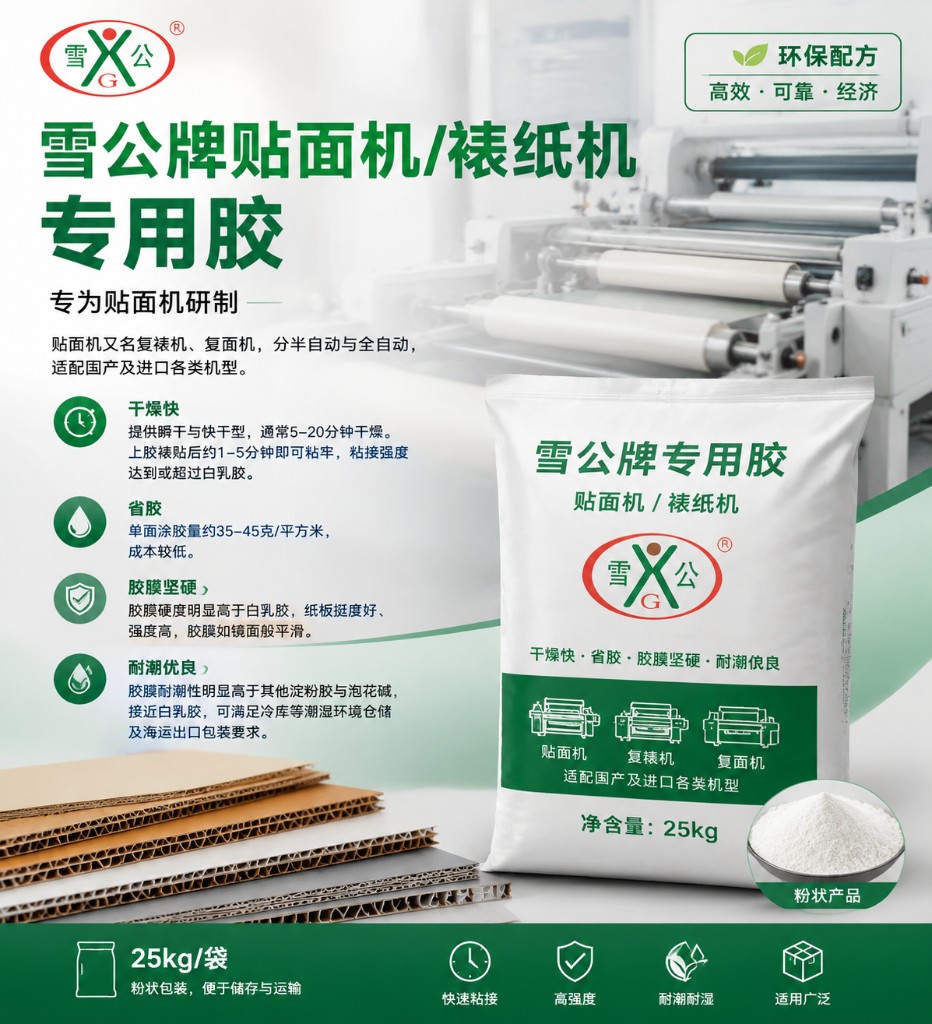
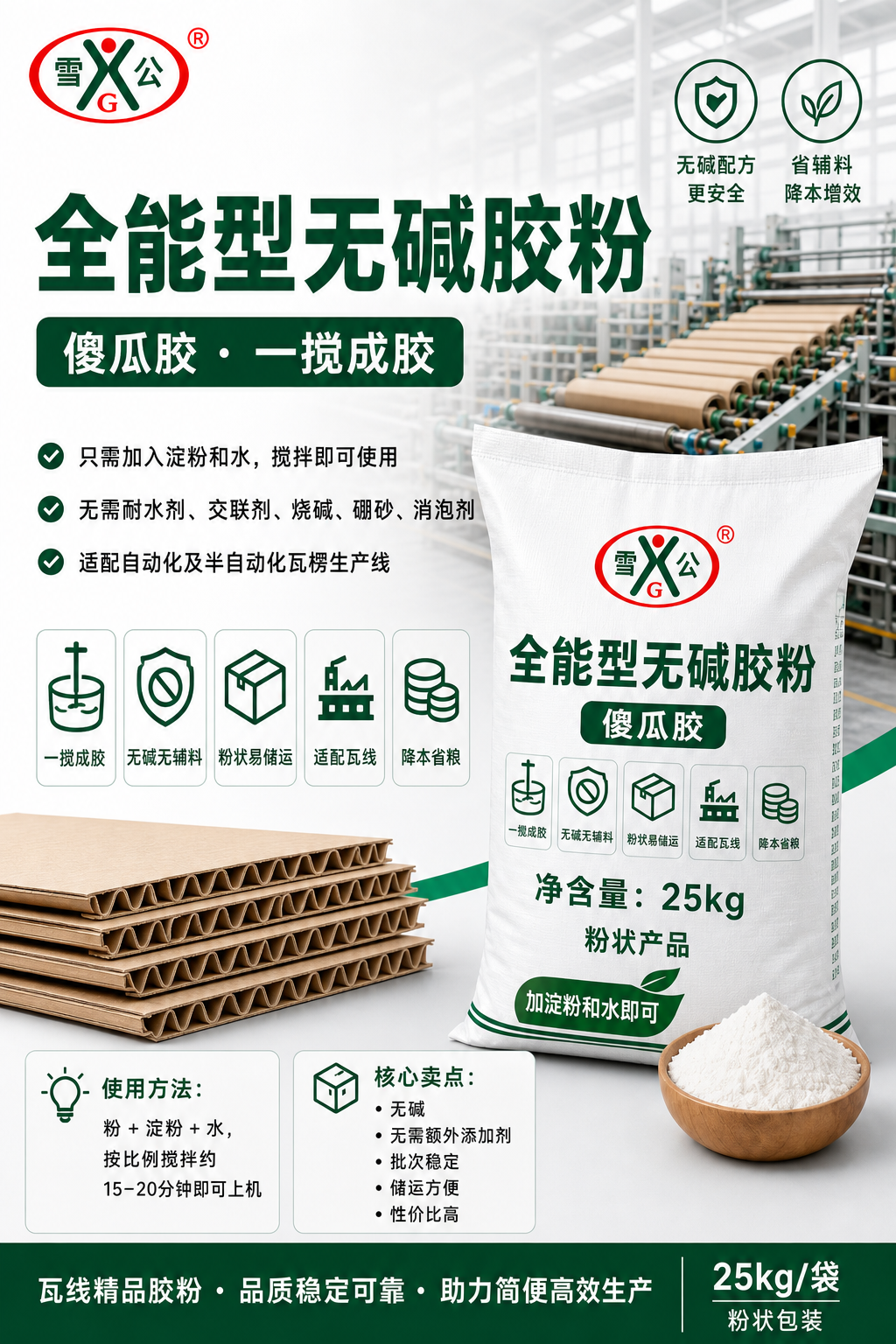
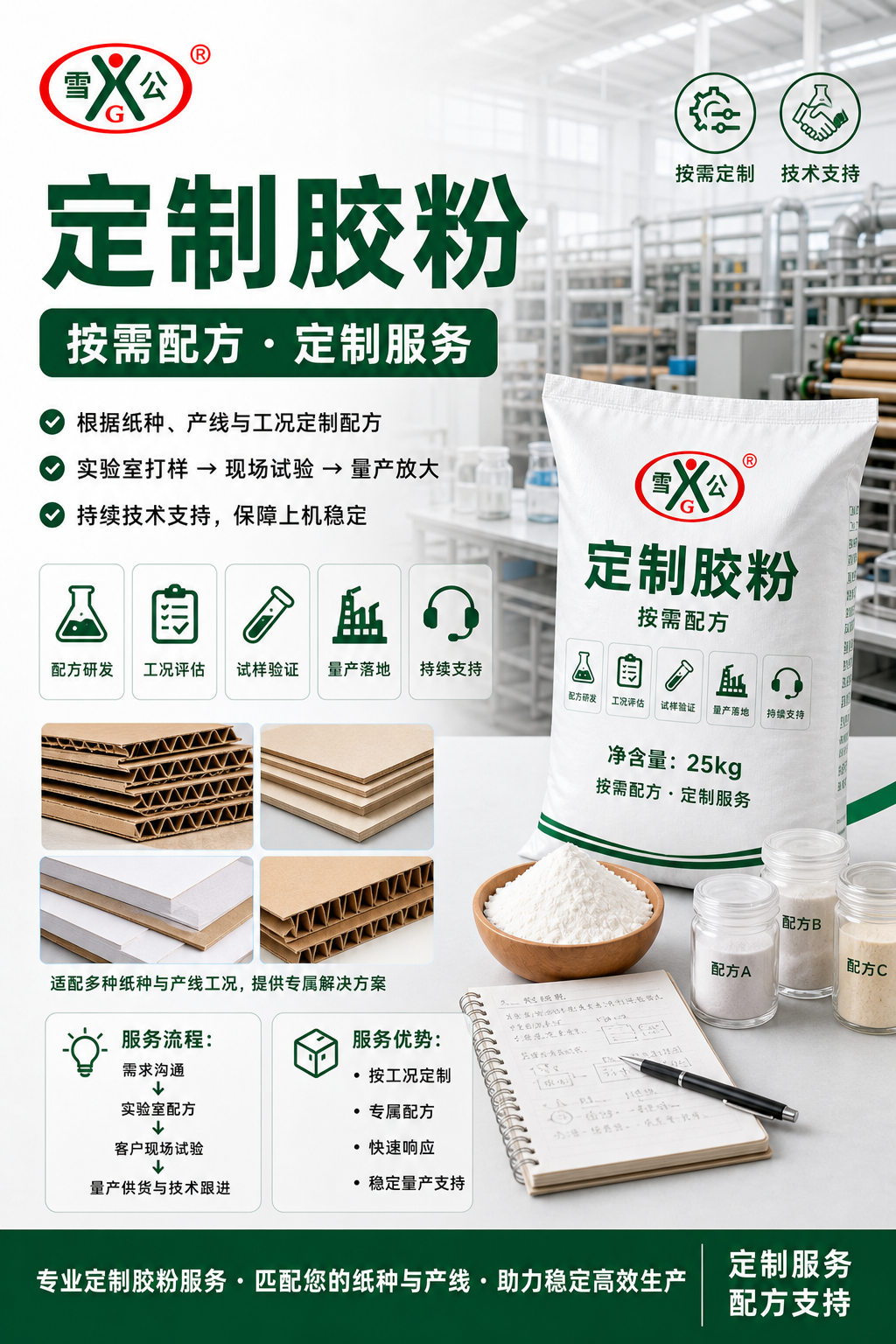
Supplier SKUs on PackTrades that match this topic—open a product, then submit an RFQ.
Continue on PackTrades
Open the matching product categories, solutions, and RFQ path for this topic.